How a Bad Automation Strategy Helped Push WIPTEC Into Insolvency
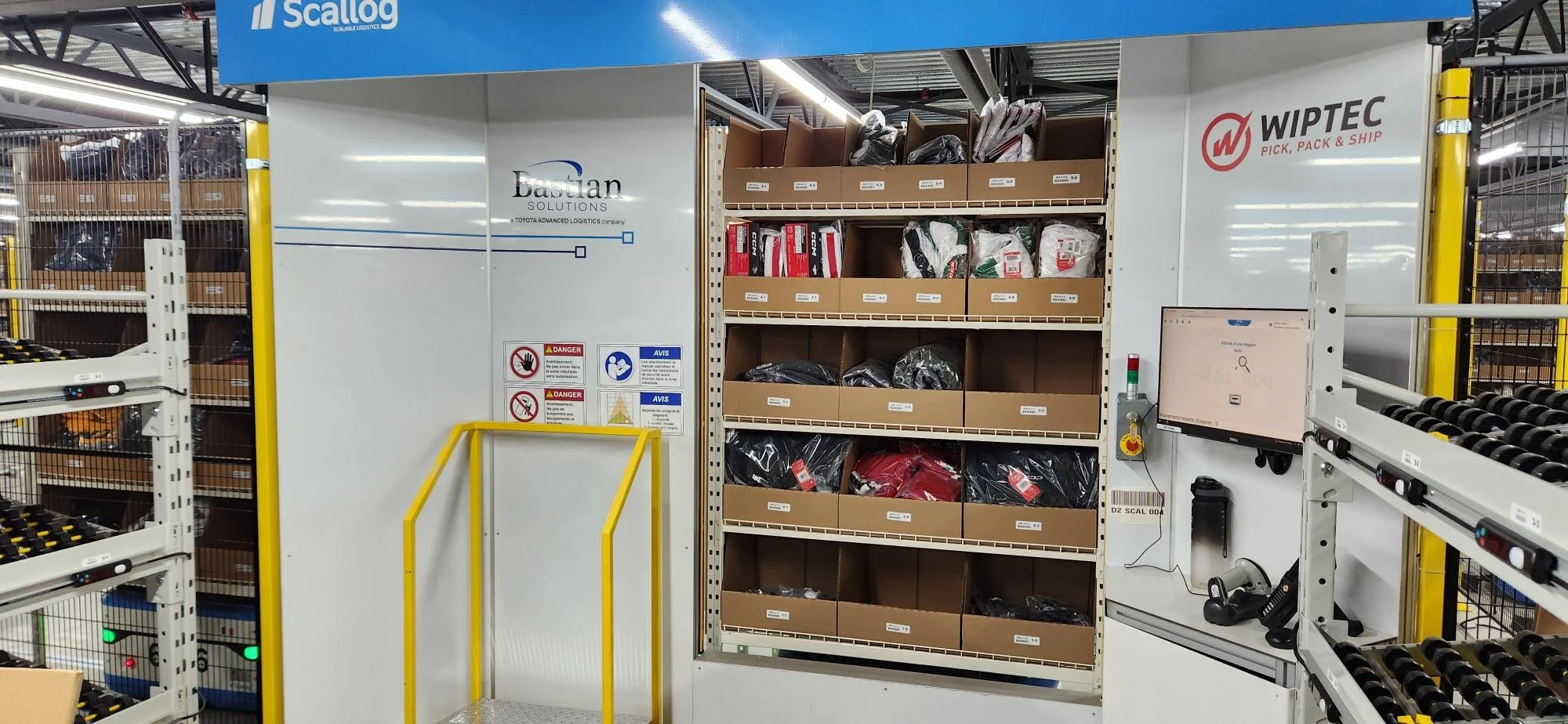
How important is a company’s software stack when implementing warehouse automation and robotic solutions?
In our experience, it is everything.
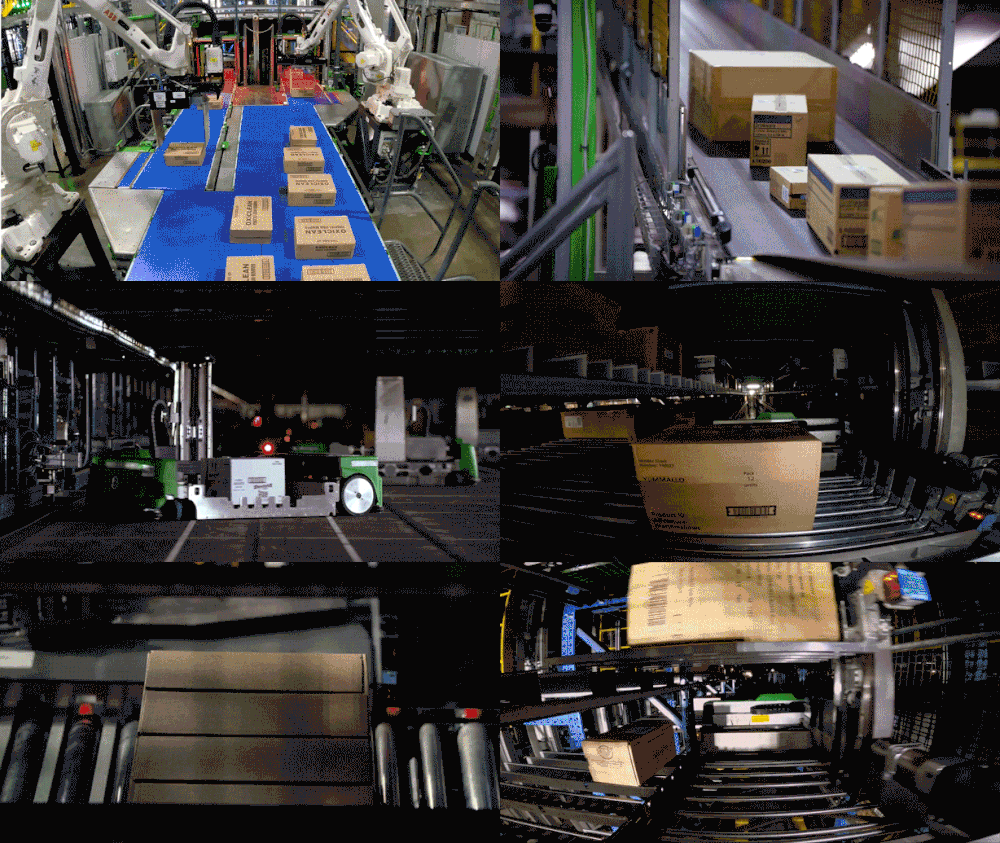
Our team will not partner with a client that is unwilling to make its WMS, WES, and WCS layers the central nervous system of its automation strategy. Robots, conveyors, sorters, smart shelving, automated forklifts, and robotic picking systems may be the visible parts of a project, but they are not what make an automated warehouse perform.
The software stack does.
A company that wants to implement robotics without deep data analysis, proper order profiling, clear execution logic, and a serious software architecture is not ready for automation. The hardware may look impressive, but without the correct warehouse management, execution, and control layers, the operation can quickly become trapped inside a rigid and expensive system.
This is especially dangerous when the automation is delivered as a black-box solution. Many automated systems are designed to communicate best within one OEM’s ecosystem or one integrator’s preferred architecture. That may work for a narrow project, but it can become a major problem when a company needs flexibility, multi-client logic, custom workflows, carrier cut-offs, labour balancing, real-time prioritization, and true operational control.
This is a difficult argument to prove in client meetings.
Our industry has very few independent, data-backed reviews of automation successes and failures. Most failed automation projects do not become public case studies. Companies usually keep operating, keep patching the system, keep blaming labour, training, volume changes, or “unexpected complexity,” and only change direction years later when they build a new facility or replace the original technology stack.
But once in a while, the software and automation strategy becomes so misaligned with the business model that the consequences become impossible to ignore.
That brings us to WIPTEC.
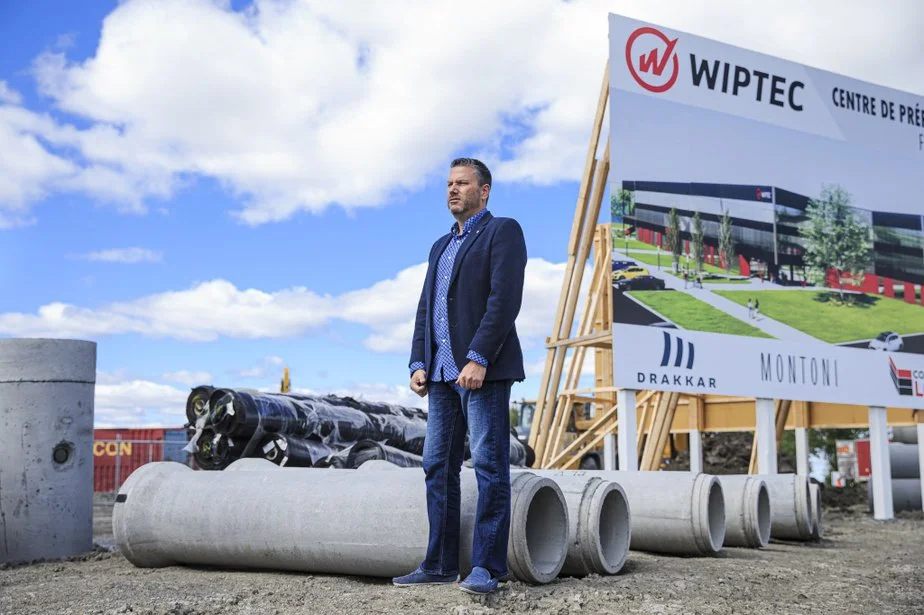
WIPTEC was once positioned as a Canadian logistics success story. The Quebec-based 3PL operated in the fast-growing world of e-commerce fulfillment, serving consumers, boutiques, retailers, and big-box customers. During the pandemic-driven e-commerce boom, the company expanded aggressively and invested heavily in a massive logistics operation in the Montreal metro area.
The Longueuil facility was widely promoted as a major step forward. WIPTEC had millions of square feet of logistics capacity, a large automated distribution centre, and a public growth story built around robotics, productivity, e-commerce logistics, and advanced technology.
It also had its own proprietary WMS, called LEAD, which stood for Lean, Efficient, Accurate, and Dynamic.
That detail is important.
WIPTEC did not appear to lack a WMS. It had one.
The real question is not whether WIPTEC had a WMS. It did. The question is whether that homegrown WMS was architected to support modern automation, external orchestration, multi-client fulfillment, and the scale of the operation the company was trying to build.
That is where WIPTEC may have made its biggest mistake.
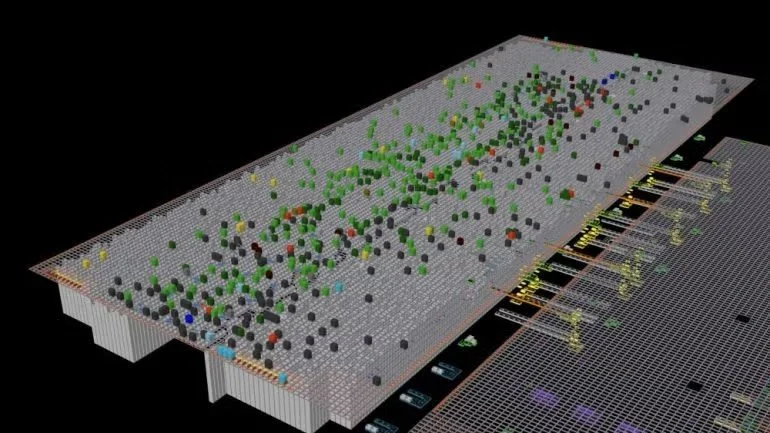
In today’s automated warehouse, the WMS and WES are not secondary systems. They are the most important technology layers in the entire operation. The WMS remains the system of record for inventory, orders, customer rules, and transactions. The WES, or warehouse execution system, is the orchestration layer that determines how work is released, prioritized, sequenced, throttled, and balanced across the building.
Without a strong WMS and WES strategy, automation hardware can quickly become an expensive collection of disconnected equipment.
A homegrown WMS may work well in a manual or semi-automated operation. But that does not mean it can be easily extended to support a modern WES, multiple automation subsystems, real-time execution logic, robotics, order-preparation stations, replenishment flows, packing, shipping, and strict carrier cut-offs.
This is where many companies get trapped by a hardware-first automation strategy.
The integrator sells the robots. The integrator sells the stations. The integrator sells the smart shelving. The integrator sells the impressive facility concept. But the most important question is often left unresolved: does the company have the WMS and WES architecture required to actually make the automation work profitably?
In WIPTEC’s case, that question now sits at the centre of the story.
The company had automation. It had robotics. It had government support, customer momentum, press attention, and a massive facility. It had everything a logistics success story was supposed to have.
But if the WMS and WES layers were not strong enough to orchestrate the new operation at scale, then the automation strategy may have been flawed from the beginning.
How a Bad Automation Strategy May Have Contributed to WIPTEC’s Insolvency
The recent restructuring of WIPTEC, a Quebec-based third-party logistics provider, should be studied carefully by anyone involved in warehouse automation, robotics, e-commerce fulfillment, or public-sector funding of industrial technology projects.
This is not simply the story of another logistics company facing financial pressure after a period of rapid e-commerce expansion. It may be a much larger warning sign about what happens when a company invests heavily in buildings, equipment, robotics, and automation infrastructure without having the correct warehouse software, execution logic, and orchestration layer in place to support the operation.
WIPTEC was not a small or unknown player. The company built its reputation around pick-pack-ship fulfillment, e-commerce logistics, distribution, warehousing, and customized order-preparation services. During the pandemic-driven e-commerce boom, WIPTEC expanded aggressively. Public announcements described large facilities, major job creation, government financial support, and significant investment into automation and robotics.
At the time, the story looked like a Quebec logistics success story. A growing 3PL. A massive Longueuil fulfillment facility. Public support. Robotics. E-commerce growth. A local company helping retailers and brands compete in a more demanding fulfillment market.
In March 2022, the governments of Canada and Quebec, along with Investissement Québec, announced more than $16 million in financial support for WIPTEC’s new order-preparation centre in Longueuil.
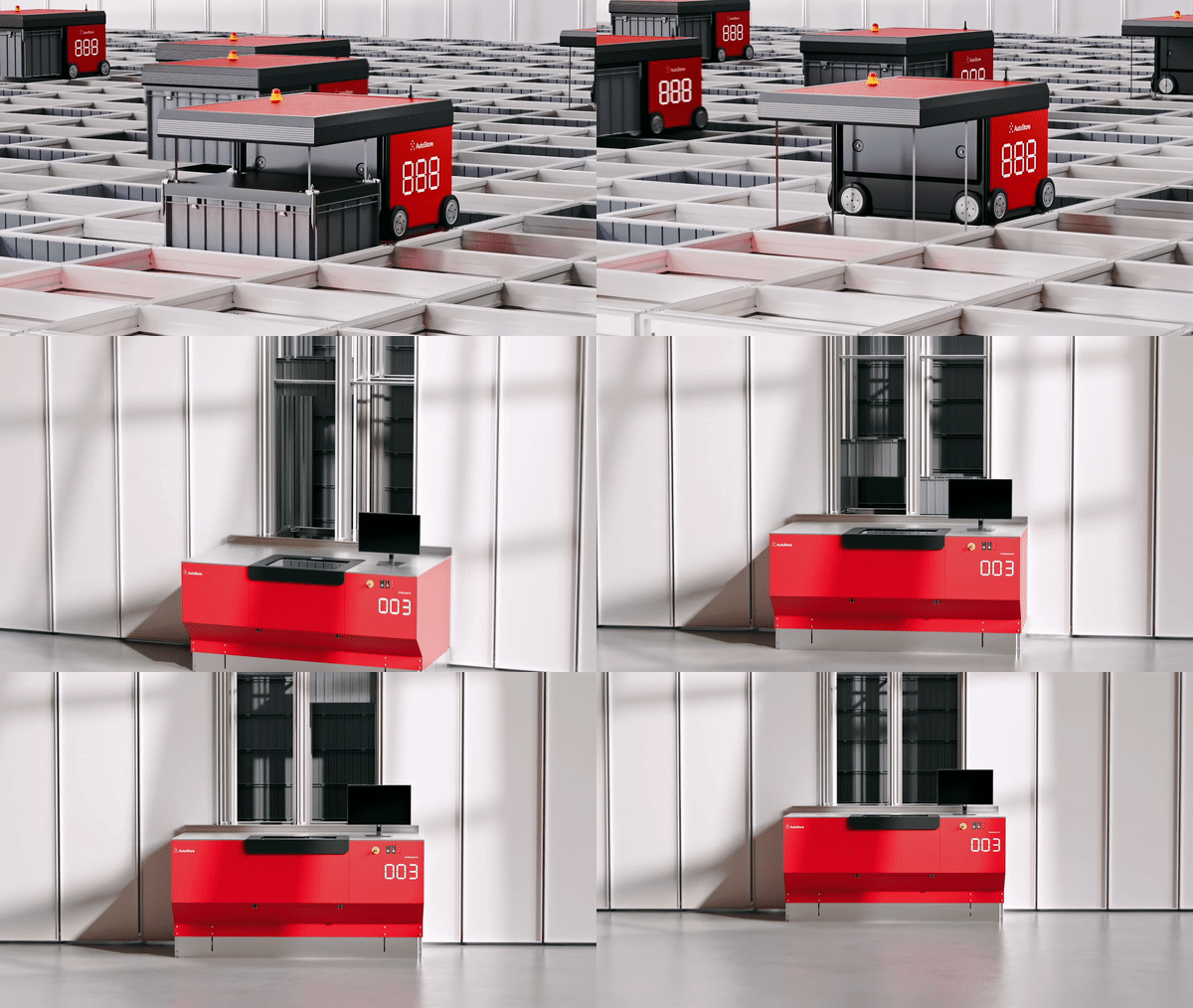
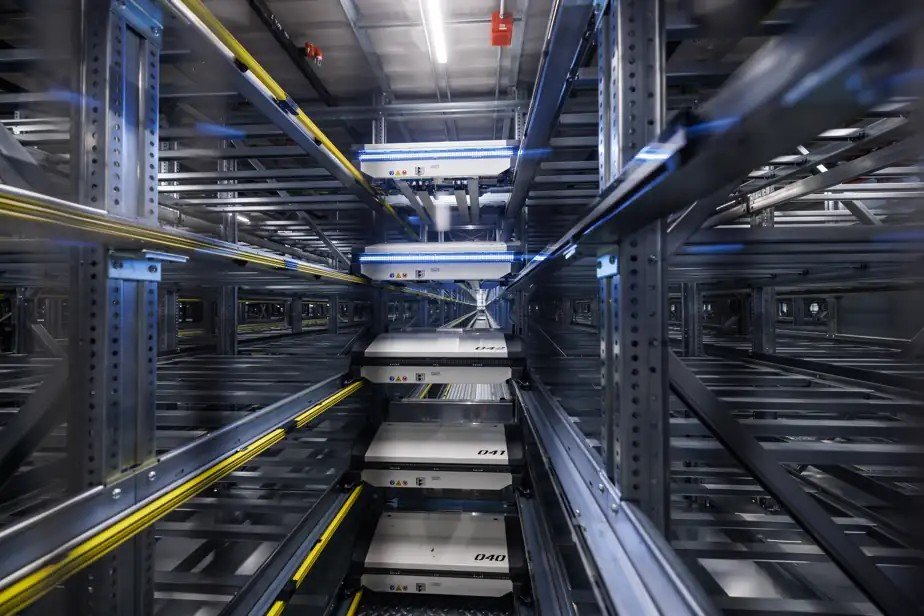
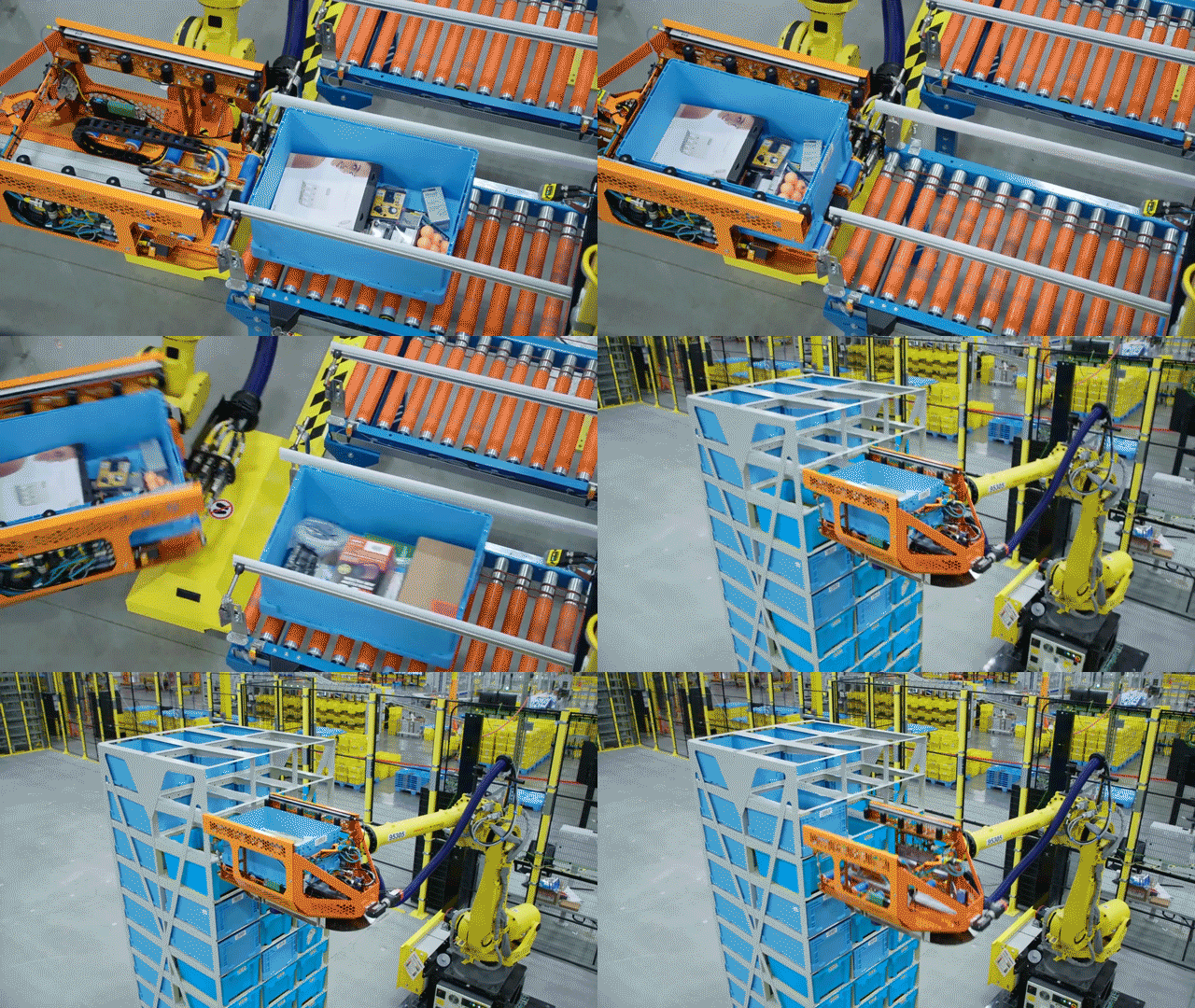
The first phase of the project was valued at nearly $100 million and was expected to create more than 380 permanent jobs, with the company eventually reaching 630 positions. The federal support was specifically intended to help WIPTEC acquire a robotic order-preparation system, including handling robots, order-preparation stations, and smart shelving.
The financial support structure also matters. This was not simply a grant. The Government of Canada provided a $3 million repayable contribution. The Government of Quebec provided an $8 million loan under the ESSOR program, a portion of which could be forgiven. Investissement Québec also provided a $5.125 million loan from its capital funds.
That detail matters.
This was not a small warehouse upgrade. It was a major publicly supported automation expansion built around the promise of e-commerce growth, productivity, robotics, and logistics modernization.
But the recent insolvency and restructuring process raises a serious question: did the automation strategy actually support the business model, or did the business model become trapped inside an automation design that could not scale profitably?
That question matters because warehouse automation is often sold as a productivity solution. Robots, conveyors, sorters, smart shelving, automated picking stations, and high-density systems can all look impressive in a press release or project announcement. But automation hardware alone does not create a high-performing fulfillment operation.
In a modern 3PL environment, the most important layer is often not the robot. It is not the workstation. It is not even the conveyor. The most important layer is the software architecture that decides how work is released, prioritized, sequenced, batched, replenished, picked, packed, and shipped across many customers, many order profiles, many service levels, and constantly changing daily volumes.
That is where the WIPTEC case becomes especially interesting.
After restructuring, WIPTEC’s public statement says the company will implement a growth plan focused on optimizing operations and strengthening its WMS and logistics automation software. That sentence deserves attention.
Why is the WMS suddenly part of the recovery plan?
WIPTEC has historically promoted its own WMS technology as a core part of its offering. The company has described its LEAD WMS as a proprietary system developed internally, supporting receiving, inventory control, picking, preparation, shipping, traceability, real-time visibility, and client access. That may have been suitable for certain manual or semi-automated operations. But the real question is whether that same software layer was mature enough to control and optimize a large, highly automated, multi-client 3PL operation with robotics and complex fulfillment flows.
There is a major difference between having a WMS and having the right WMS/WES architecture for automation.
A WMS can track inventory and manage transactions. A WES, or warehouse execution system, controls the real-time release and orchestration of work across automation, labor, equipment, and shipping constraints. In a highly automated fulfillment centre, these functions cannot be treated as afterthoughts. They are the operating system of the building.
Without the correct WMS/WES layer, expensive automation can become a bottleneck instead of a productivity engine.
This is where many automation projects fail. The project team spends most of the time on the building, the equipment, the robots, the conveyors, and the mechanical layout. The software layer is either assumed to be adequate, added too late, customized under pressure, or treated as an integration detail. That approach is dangerous.
In a 3PL environment, the complexity is even higher than in a single-client distribution centre. A 3PL must manage different customers, different order profiles, different packaging rules, different cut-off times, different carrier requirements, different inventory rules, different return flows, and different billing structures. The system must know not only where inventory is located, but how to profitably process each customer’s work without creating congestion, labour imbalance, missed cut-offs, or excessive manual intervention.
If the automation design was built around overly optimistic e-commerce volume assumptions, insufficient software control, or a weak integration between WMS and automation, the financial consequences could be severe.
A 3PL does not have unlimited margin to absorb automation underperformance. If the system requires more labour than expected, misses productivity targets, creates excessive exception handling, or cannot flex properly between customers, the cost model breaks quickly. The company still has to pay for the facility, labour, financing, equipment, software support, maintenance, utilities, and management overhead. But the revenue only arrives if customer volumes and productivity assumptions are achieved.
This is the brutal reality of automated 3PL operations: fixed costs arrive every month, but volume does not always follow the business plan.
That is why the public funding angle deserves attention. Government programs are often designed to help local companies modernize, compete, and create jobs. The intent is understandable. Governments want to support innovation, productivity, and domestic logistics capacity.
But large automation projects need a much higher level of technical scrutiny before public money, public loans, or publicly supported financing are committed.
It is not enough to ask whether a company is buying robots. The better question is whether the company has a complete operational architecture capable of making those robots economically productive.
That means reviewing the WMS, WES, ERP integrations, order release logic, labour model, replenishment model, exception handling, carrier cut-off logic, peak volume strategy, maintenance plan, and realistic throughput assumptions. It also means challenging whether the proposed automation design is flexible enough for a multi-client 3PL environment.
Automation can be an asset, but it can also become a liability if it is too rigid, too expensive, or poorly matched to the operation.
This is especially true when companies expand during a market surge. During the pandemic, e-commerce growth created a sense of urgency across the logistics industry. Many companies believed that the growth curve would continue, or at least stabilize at a much higher level. The pressure to build capacity was real. The challenge is that automated infrastructure decisions are long-term, while customer demand can shift quickly.
If a 3PL builds a massive automated operation around pandemic-era assumptions, then faces lower-than-expected volume, customer churn, pricing pressure, labour challenges, interest costs, and operational inefficiencies, the business can quickly become financially vulnerable.
The most concerning possibility in the WIPTEC case is not simply that the company borrowed too much money or expanded too quickly. The deeper concern is that the automation and software strategy may not have been strong enough to support the scale of the business plan.
That is the lesson the warehouse automation industry should examine.
Engineering firms, consultants, integrators, lenders, and government agencies all need to ask harder questions before supporting large automation projects. A glossy automation concept is not enough. A robotic picking system is not enough. A WMS brochure is not enough. A facility tour is not enough.
The key question is whether the complete operating model works.
Can the system release work intelligently?
Can it prioritize urgent orders without disrupting the entire operation?
Can it balance labour and automation in real time?
Can it handle multiple clients with different rules?
Can it protect carrier cut-offs?
Can it manage replenishment without starving the pick process?
Can it generate reliable billing and cost-per-activity visibility?
Can it recover quickly from exceptions?
Can it scale up and down without destroying margin?
Can management see the true cost and productivity of each customer, each process, and each automation zone?
If the answer to those questions is unclear, the project is not ready.
WIPTEC may still recover. The company says its restructuring preserves jobs, continues operations, and includes a plan to optimize operations and strengthen its WMS and logistics automation software. That may be the right move. But the timing of that statement is telling. When a company that built its public identity around logistics technology, automation, and its own WMS now says it must strengthen that software layer after restructuring, the industry should pay attention.
This case should not be treated as an isolated financial story. It should be treated as a case study in automation governance.
The lesson is not that robotics are bad. The lesson is that robotics without the right software architecture can create a false sense of progress. Automation hardware may impress investors, customers, politicians, and the media. But in the warehouse, performance is determined by execution logic.
The warehouse does not care about press releases.
It cares about orders shipped on time, inventory accuracy, labour productivity, equipment utilization, exception rates, replenishment discipline, system uptime, and customer profitability.
If the WIPTEC case proves anything, it is that the future of warehouse automation will not be won by the companies that simply buy the most technology. It will be won by the companies that understand how to integrate automation into a profitable, flexible, software-driven operating model.
That may be the real question behind WIPTEC’s restructuring.
Not whether the company had automation.
But whether the automation was designed, controlled, and orchestrated correctly.