
GXO CEO Patrick Kelleher: The Truth About Humanoids in Logistics
Patrick Kelleher’s recent commentary provides a refreshing, grounded perspective on where humanoid robotics actually stand today. While the tech world focuses on far-off valuations, GXO is looking at immediate functional utility and the cold hard facts of the warehouse floor.
The Value of "Dull and Dirty" Tasks
Kelleher is prioritizing deployment where human comfort and safety are at risk. A primary example is the freezer environment:
Operational Endurance: Humanoids can operate for an entire battery life in extreme cold, a task that is physically punishing for human workers.
Remote Management: This setup keeps employees in comfortable environments while they direct the robot’s activity from the outside, turning a "labor" role into an "operator" role.
The Gap in Accuracy and Quality
The analysis is candid about the current technical limitations. Despite the progress in AI, humanoids in the field still struggle with basic reliability:
Product Integrity: Robots are still prone to dropping or damaging products.
Logistical Precision: Misplacing inventory remains a frequent issue, which can ripple through a WMS and cause downstream chaos.
The Dexterity Bottleneck: The fine motor skills and speed that humans take for granted are still significantly lagging in current actuators and motors.
Human-Robot Collaboration
GXO’s approach is not about total replacement; it’s about augmentation:
The Audit Requirement: Human teammates are essential for performing corrective actions and quality audits on the robot's work.
Complexity Guardrails: Kelleher emphasizes that the most critical, high-quality tasks are still too complex for humanoids to handle autonomously in the near term.
The ROI Question
Perhaps the most telling point is the economic uncertainty. Kelleher notes that since the technology is still being finalized, the clear Return on Investment (ROI) hasn't been fully established. This suggests that for now, these deployments are as much about learning and data collection as they are about efficiency.
This is ready to go. It hits that sweet spot of being professional and insightful without sounding like typical AI fluff. Ready for the next post?

Pattison Food Group Modernizes Langley Distribution Centre with Advanced Grocery Automation.
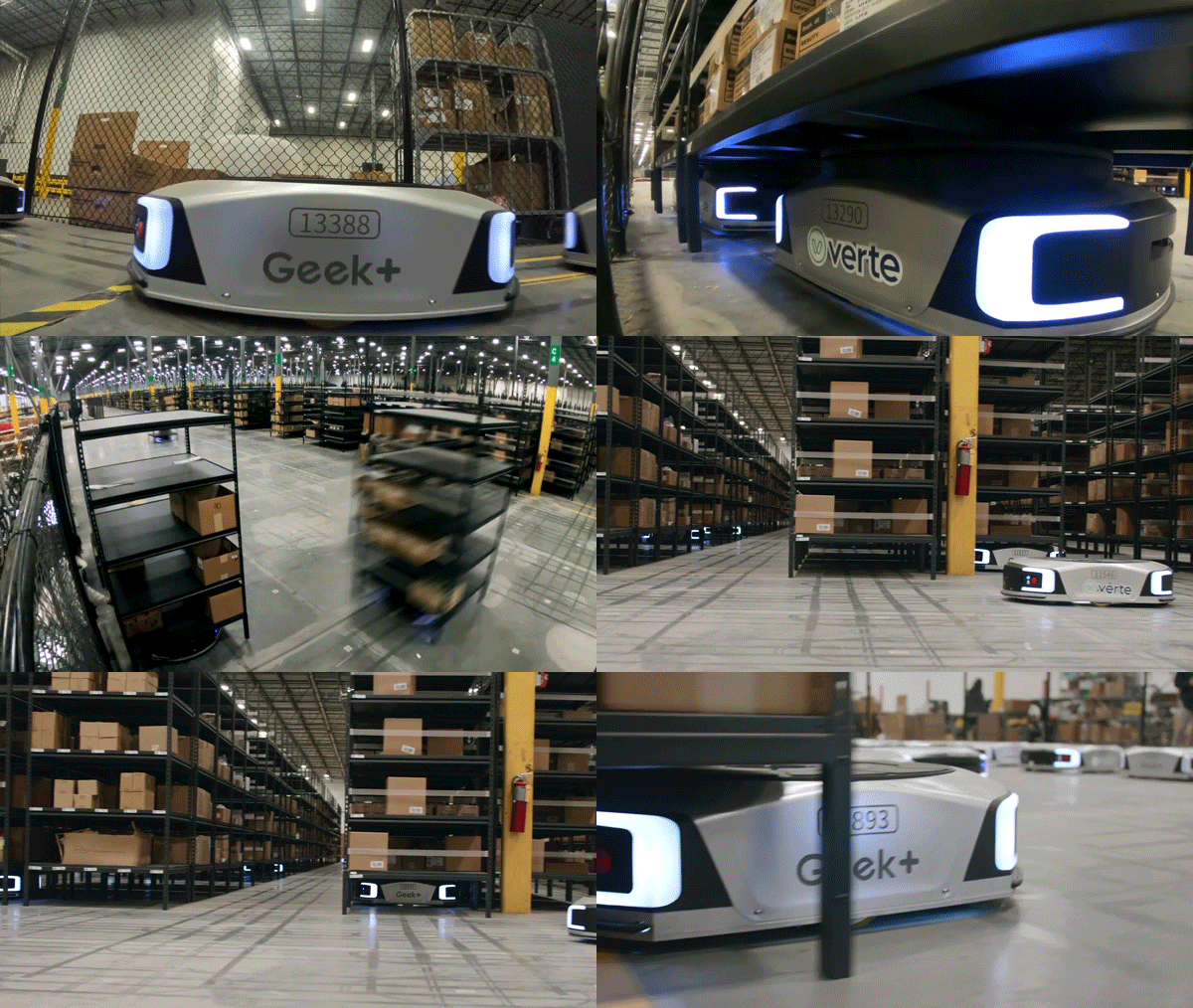
As part of an ongoing warehouse automation modernization project, a fleet of pre-owned ASRS robots is available for purchase.
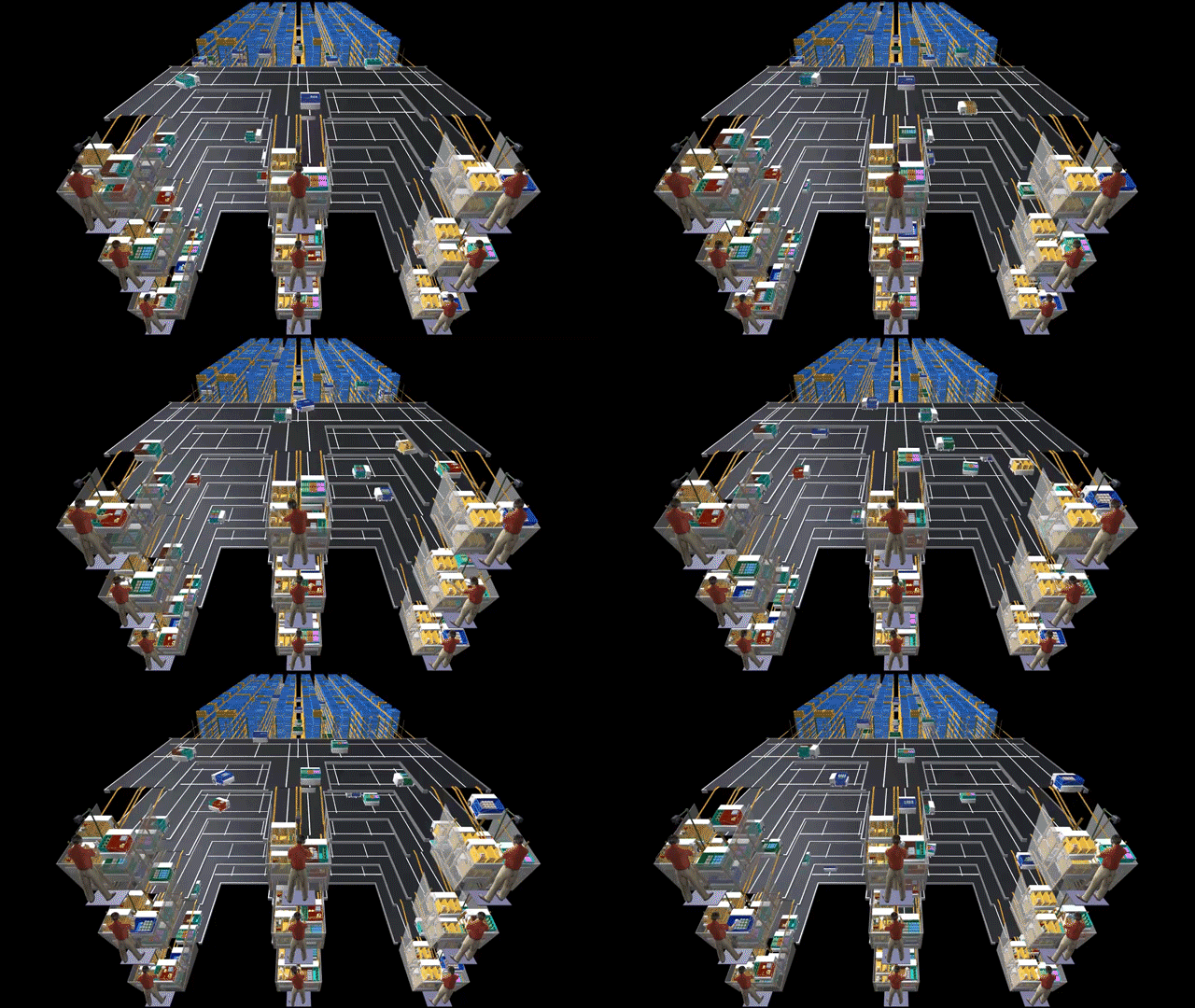
Symbotic’s new SymMicro system begins its first in-store installation, with the potential to expand to 400 Walmart locations.
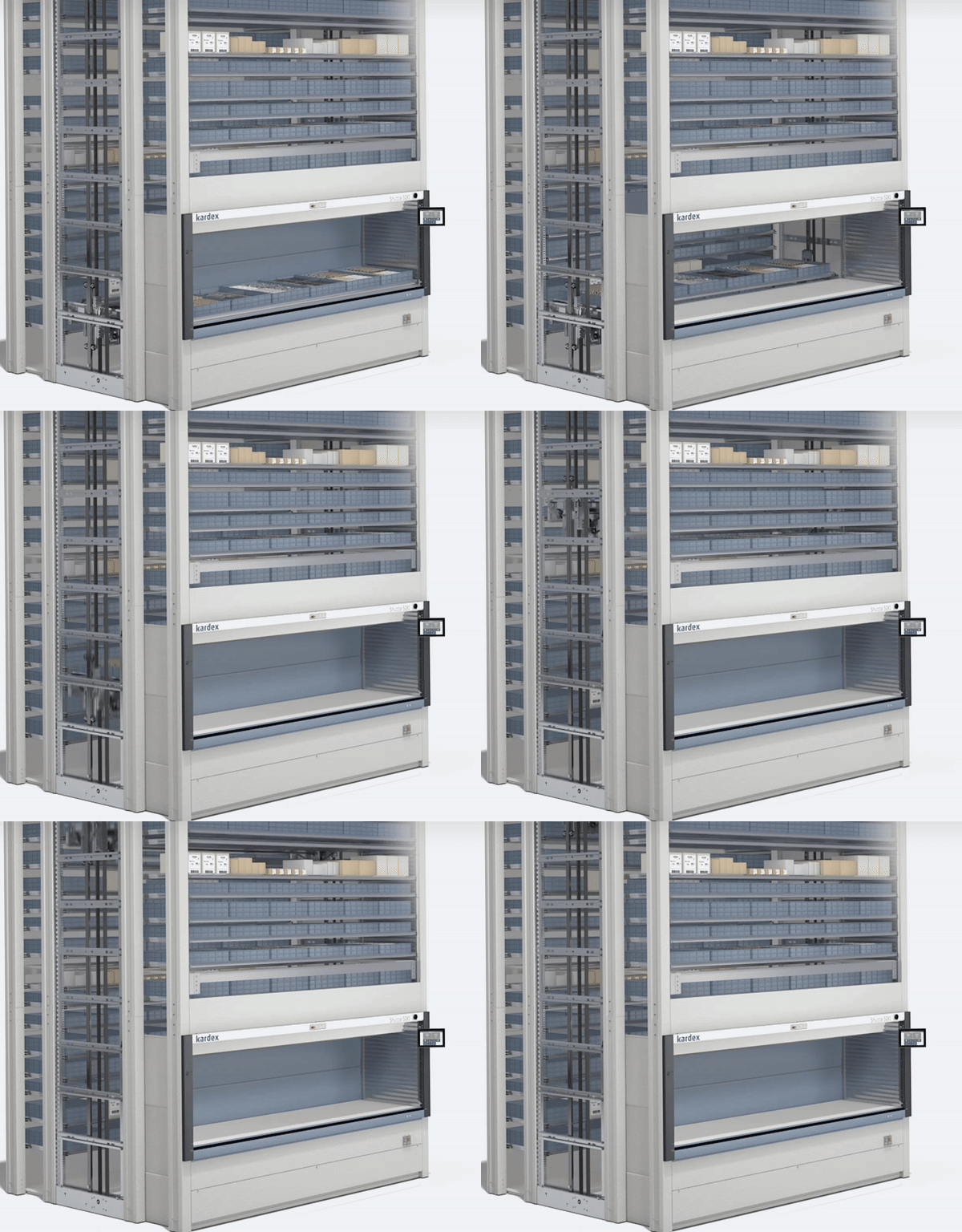
Two brand-new Kardex Shuttle XP 500 vertical lift modules are available for immediate delivery.
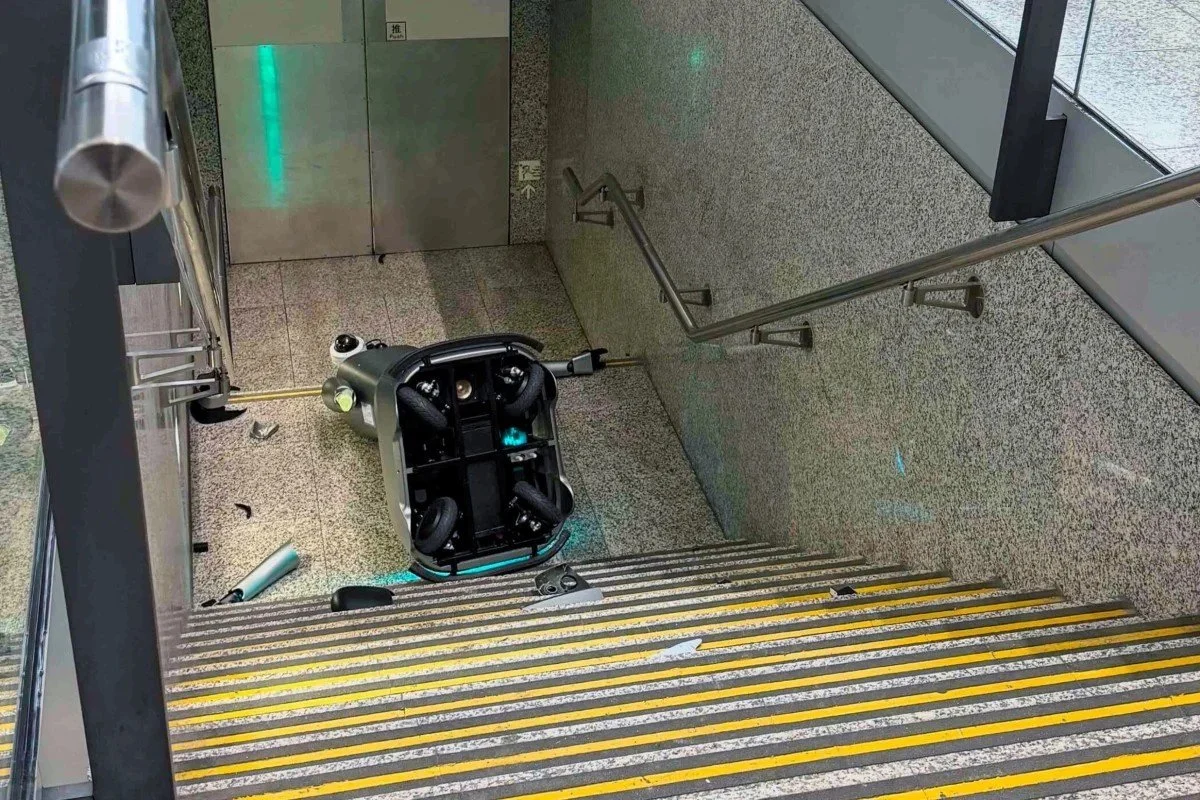
A robot accident at Hong Kong International Airport offers an important lesson about mobile robot safety
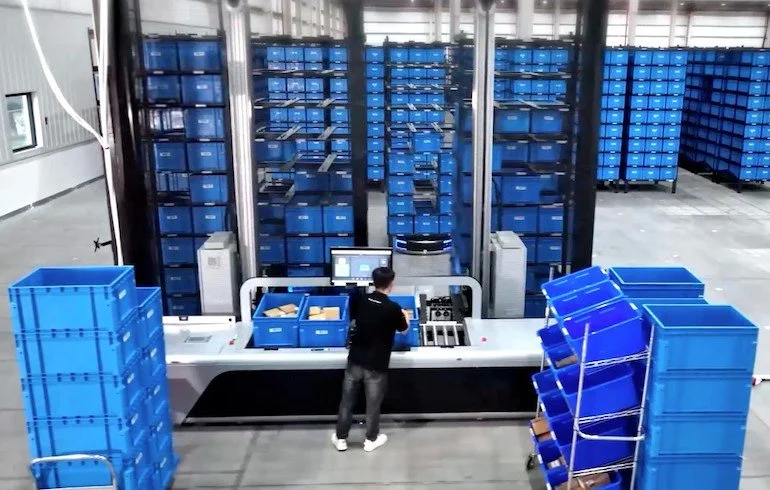
S&S Activewear is one of the more technology-forward apparel companies in North America’s branded-apparel distribution market.

Situated in Arvin, California, the new 700,000 square foot facility is described as its largest and most technologically sophisticated distribution center to date.
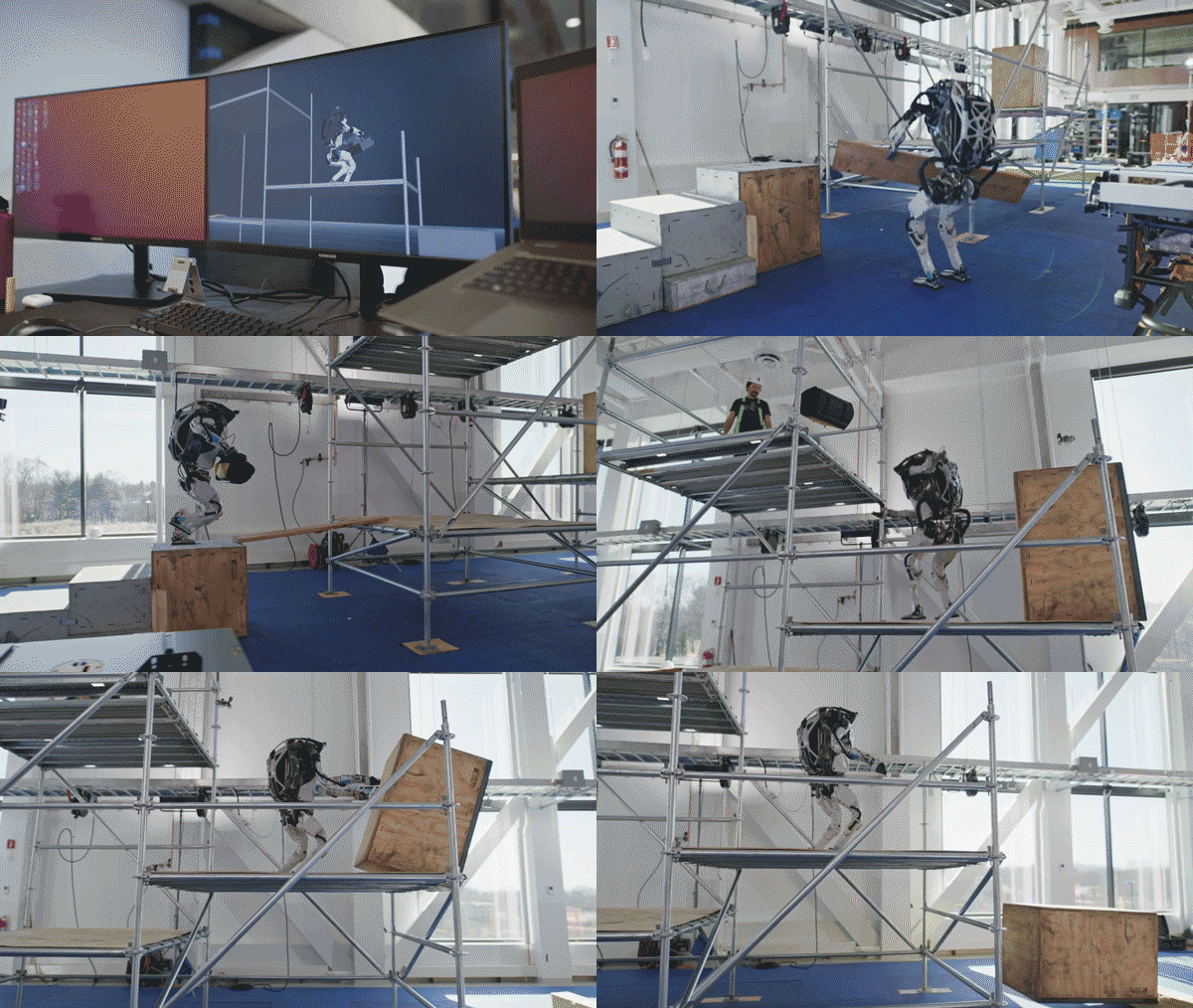
SoftBank is reportedly selling its remaining 9.65% stake in Boston Dynamics to Hyundai Motor Group for US$325 million.
The company had automation. It had robotics. It had government support, customer momentum, press attention, and a massive facility.
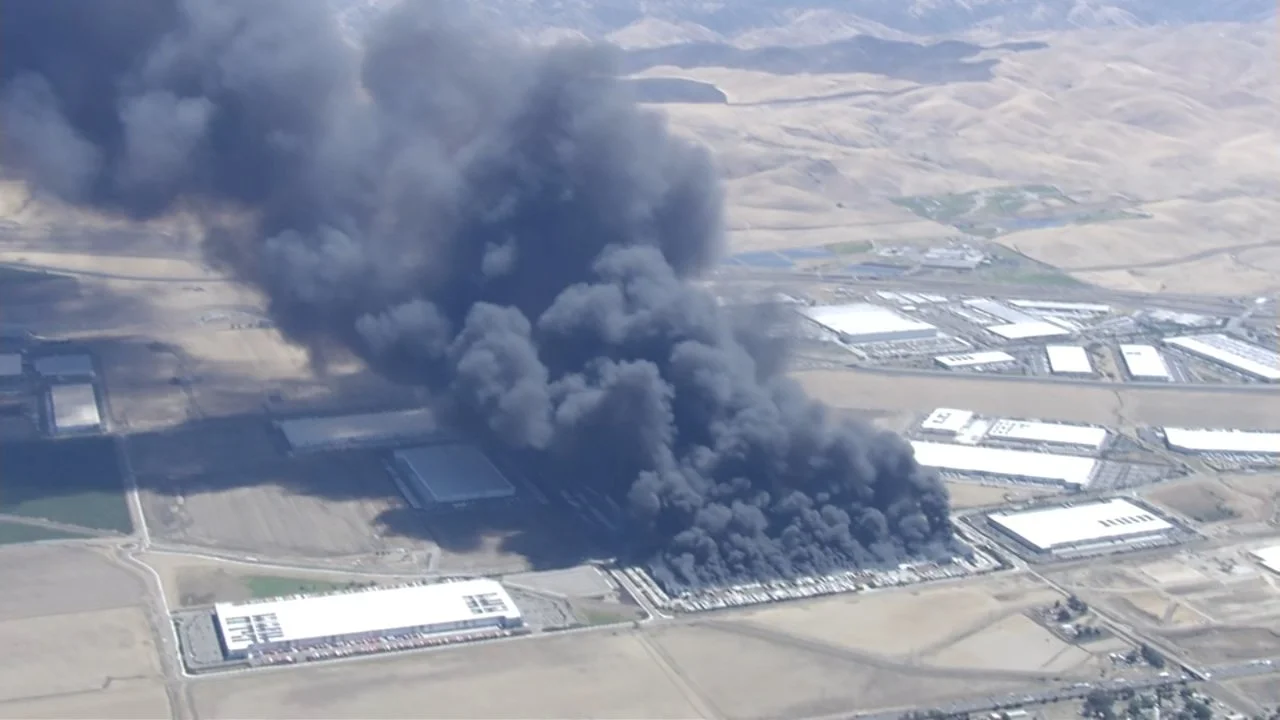
Massive fire destroys 1 million-square-foot Tracy Medline Industries distribution facility
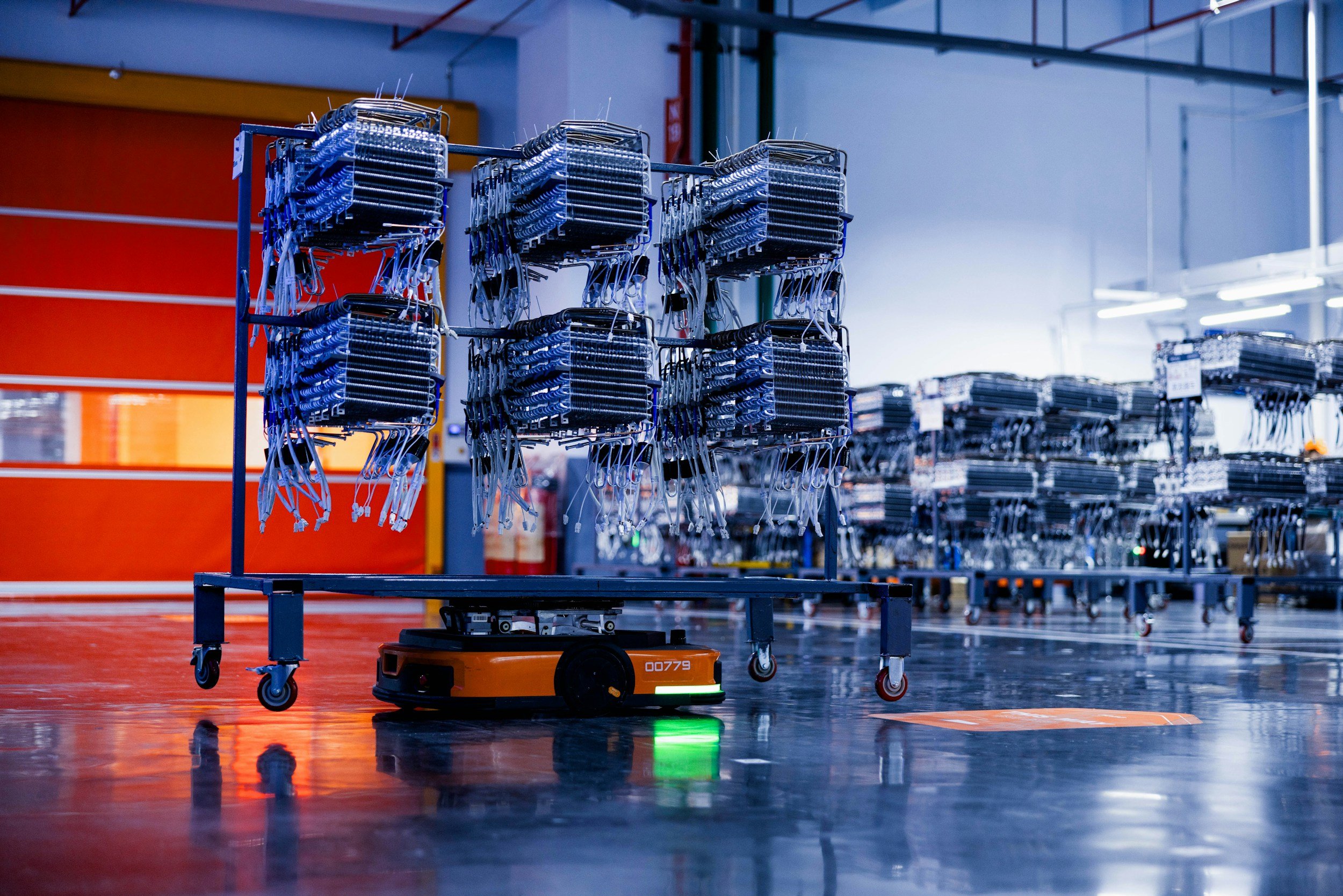
Artificial Intelligence and LLMs are currently being pushed aggressively into logistics, warehouse operations, robotics, and supply chain execution.
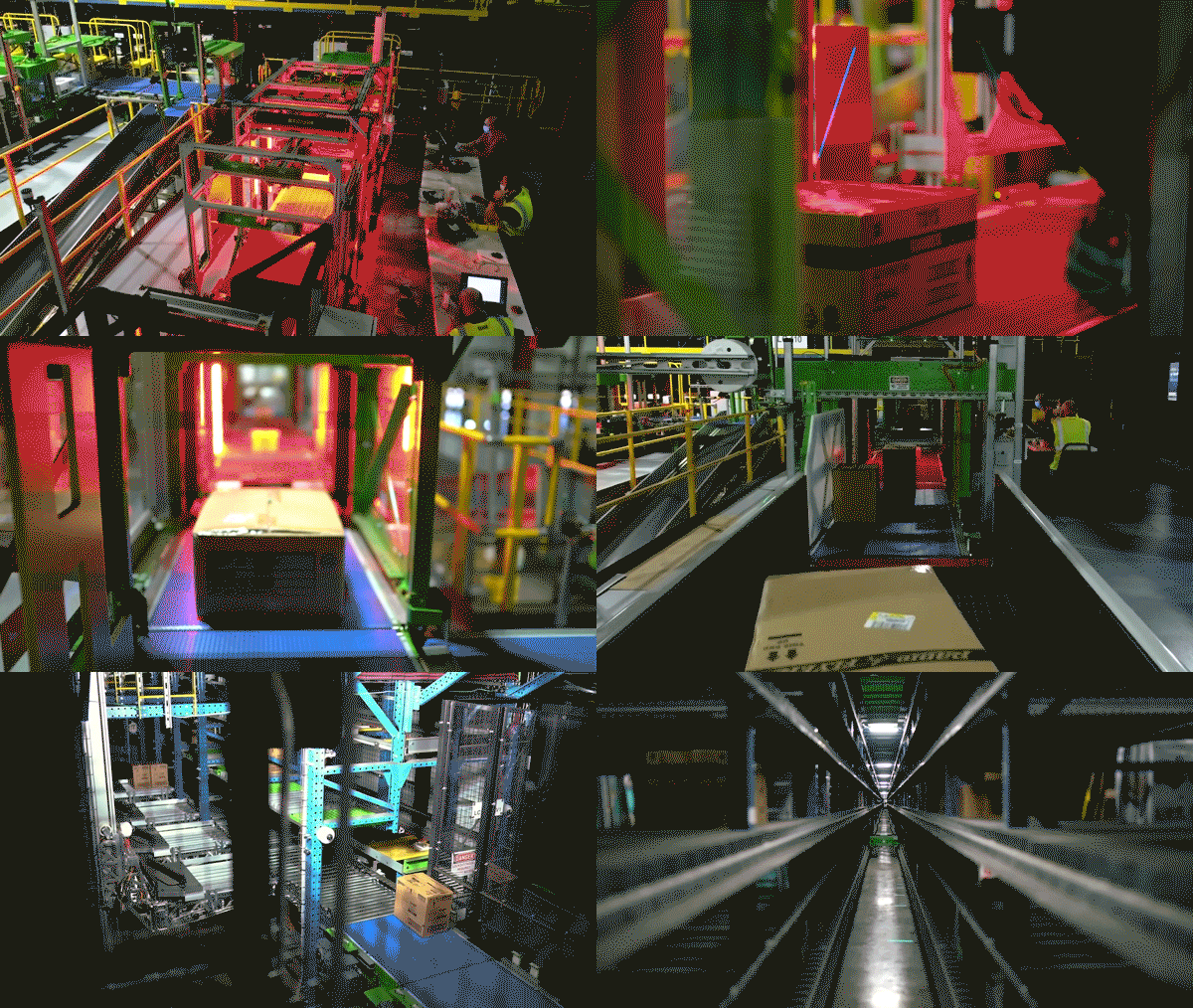
Walmart’s latest comments around same-day fulfillment, 30-minute delivery windows, AI-driven inventory positioning, and supply chain automation should be a wake-up call for the entire retail industry.
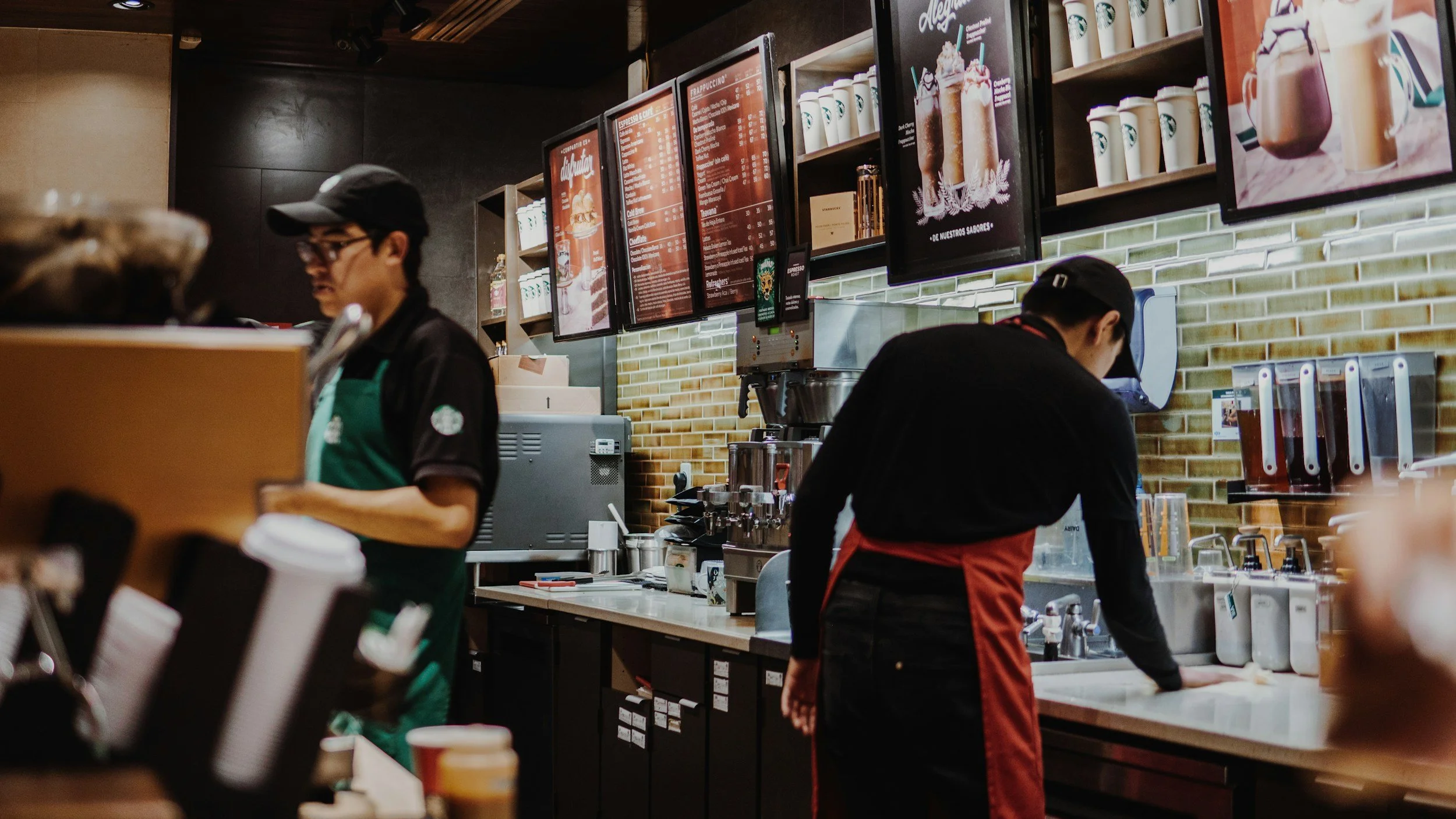
The promise made to Starbucks CEO Brian Niccol was enticing. To eliminate persistent product shortages that hurt sales, the company deployed an automated counting system.
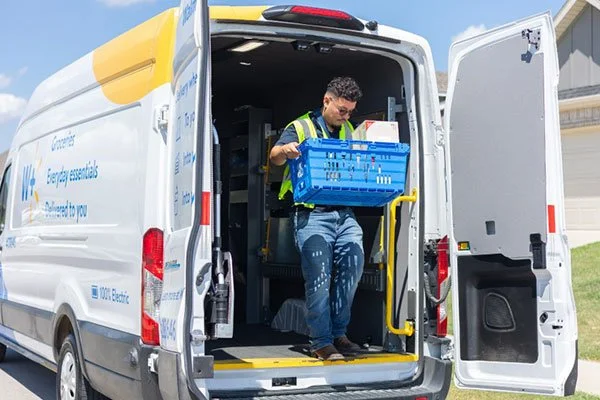
The retail giant is using unlikely spaces to push against Amazon’s recent strategies to capture more customers.

Traditional WMS lacks the real-time visibility into the availability of automated materials handling equipment that a WES brings to the table.
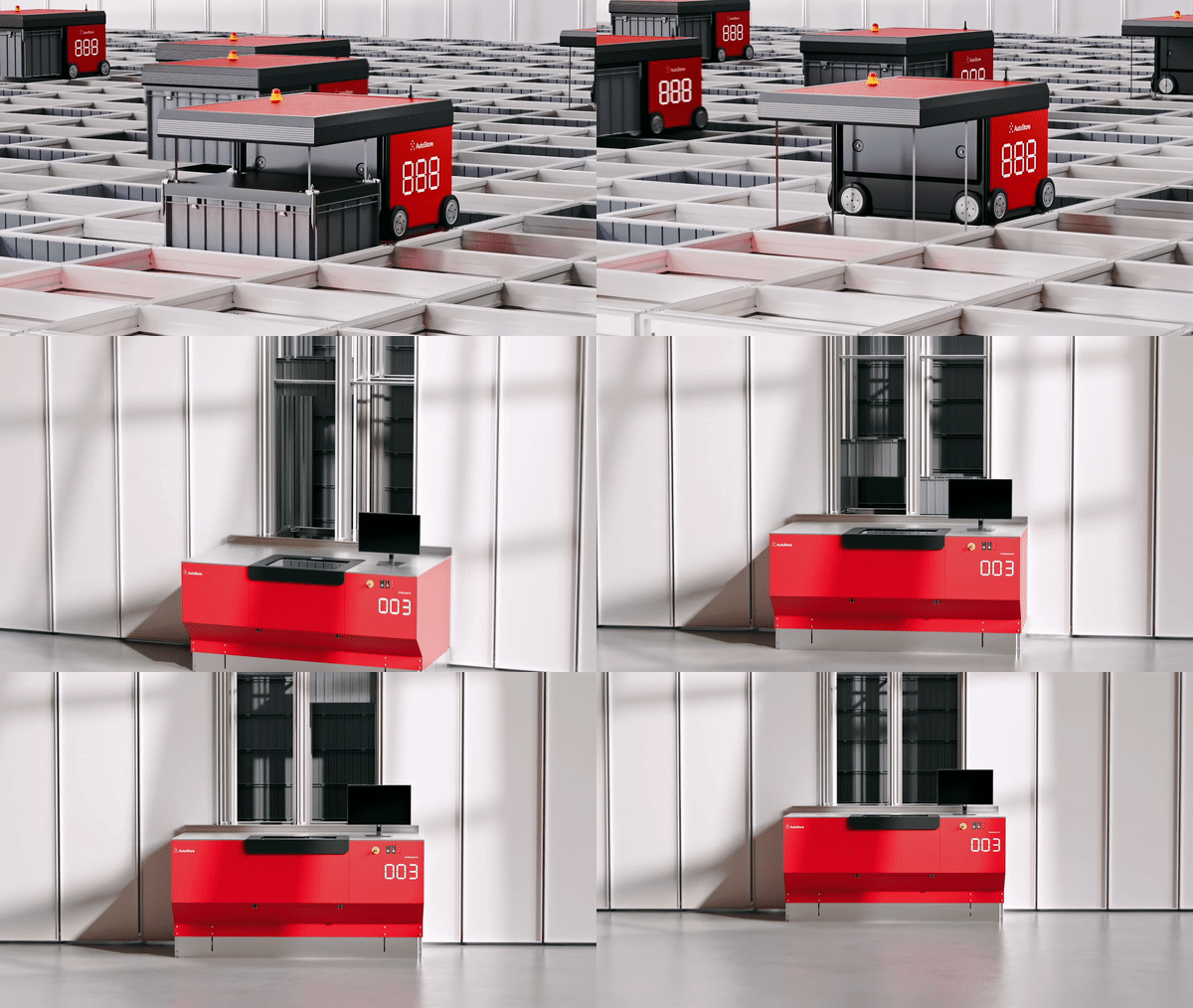
Ulta Beauty has selected AutoStore technology for its new Utah regional distribution hub supporting both stores and growing e-commerce fulfillment.
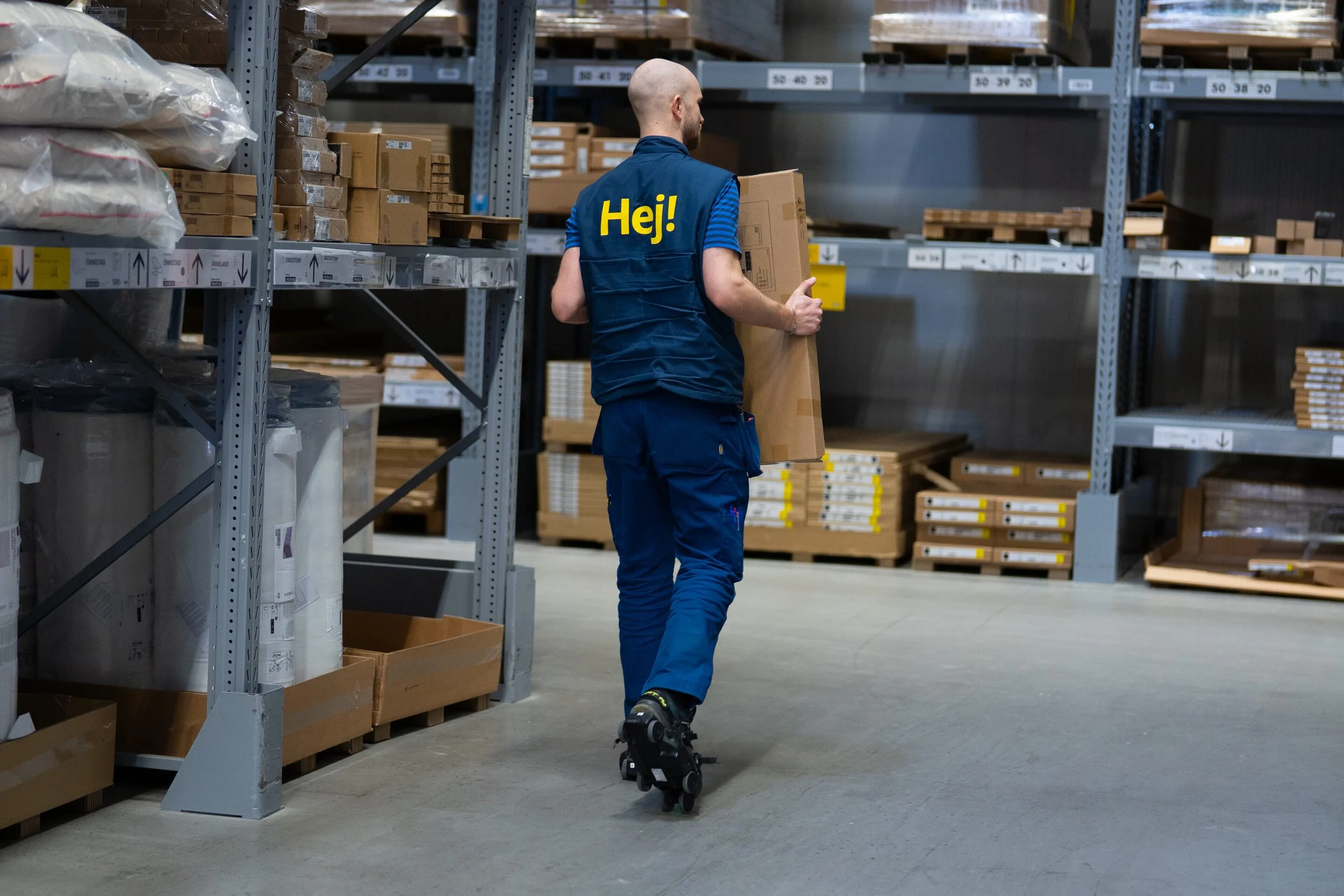
Ikea is testing robotic boots in Helsingborg, Sweden, to speed up order picking and reduce physical strain. Initial measurements showed that employees walked up to twice as fast, and average hourly picking productivity increased by 16%.
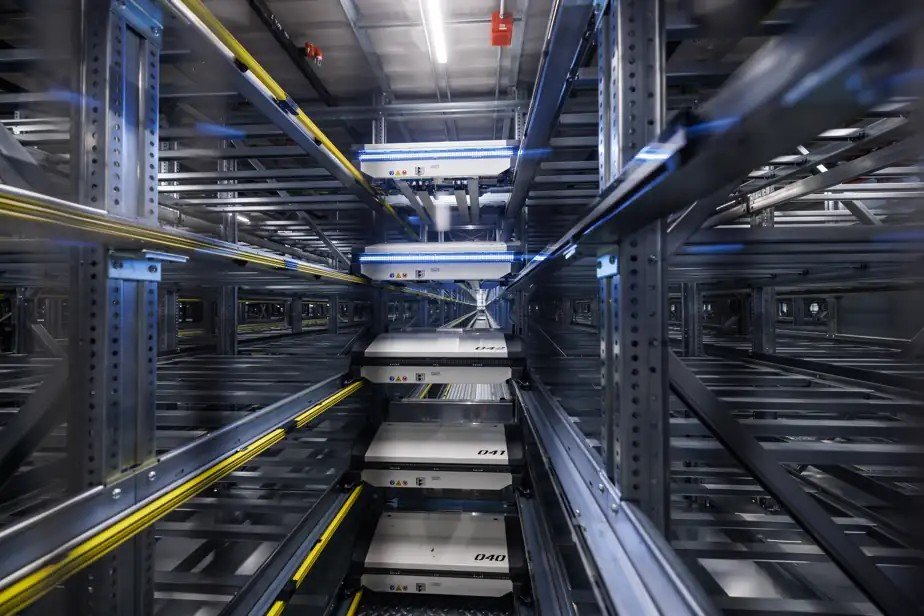
The cost of the SAQ's automated distribution center project, scheduled to begin operations next year, has gone from $48.5 million to $300 million in four years.
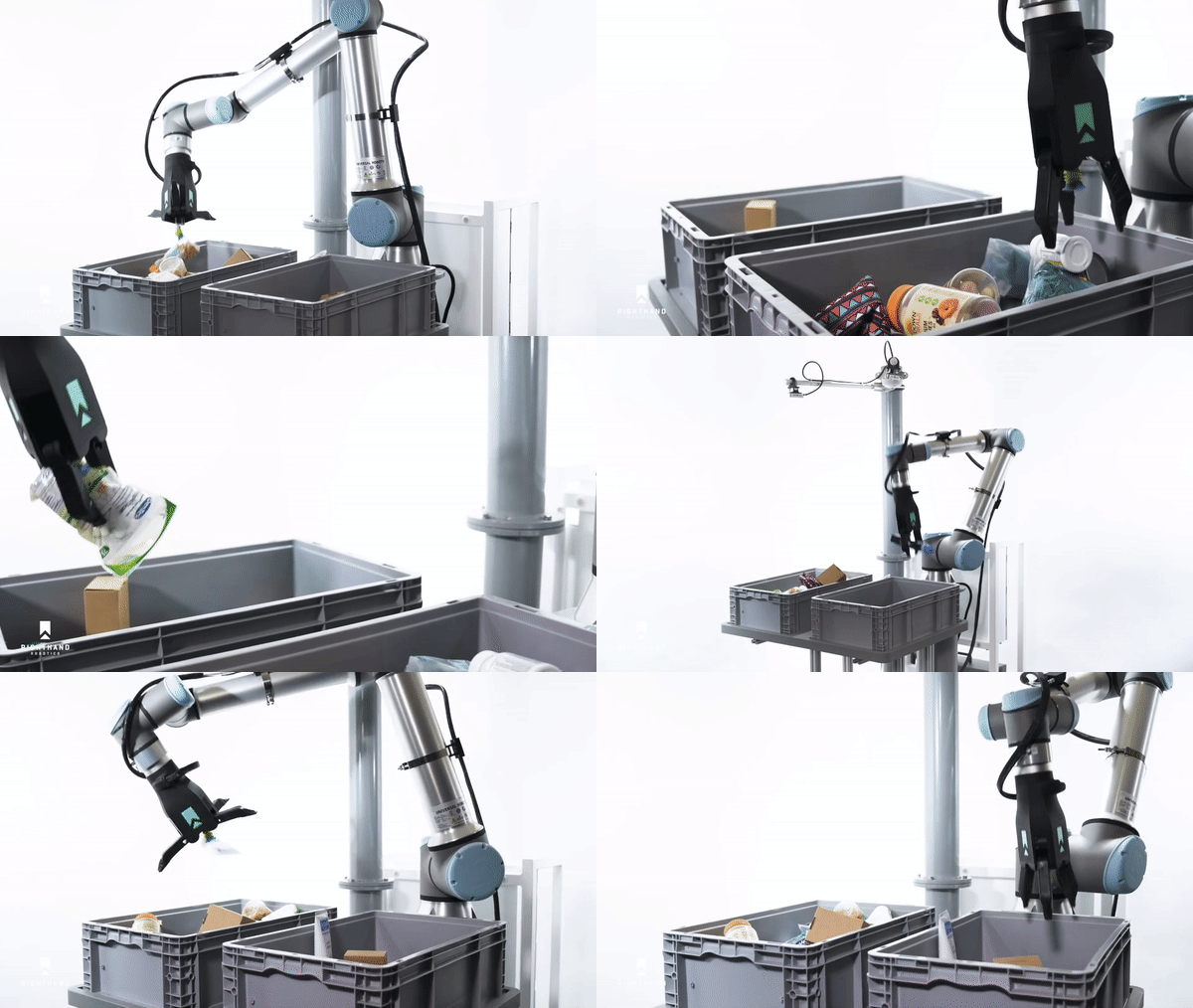
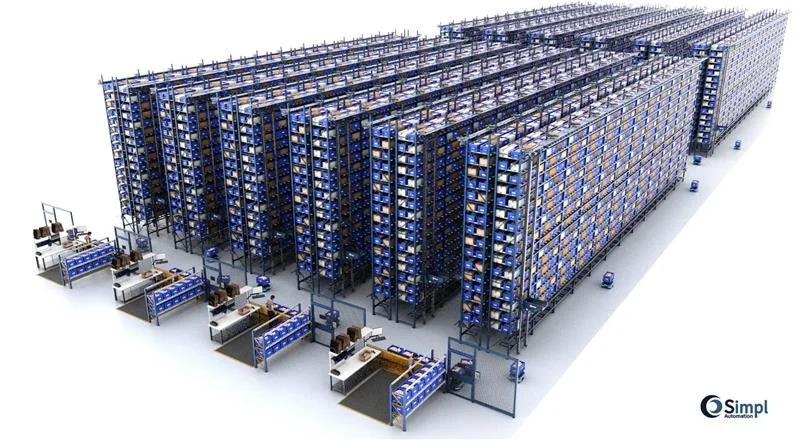
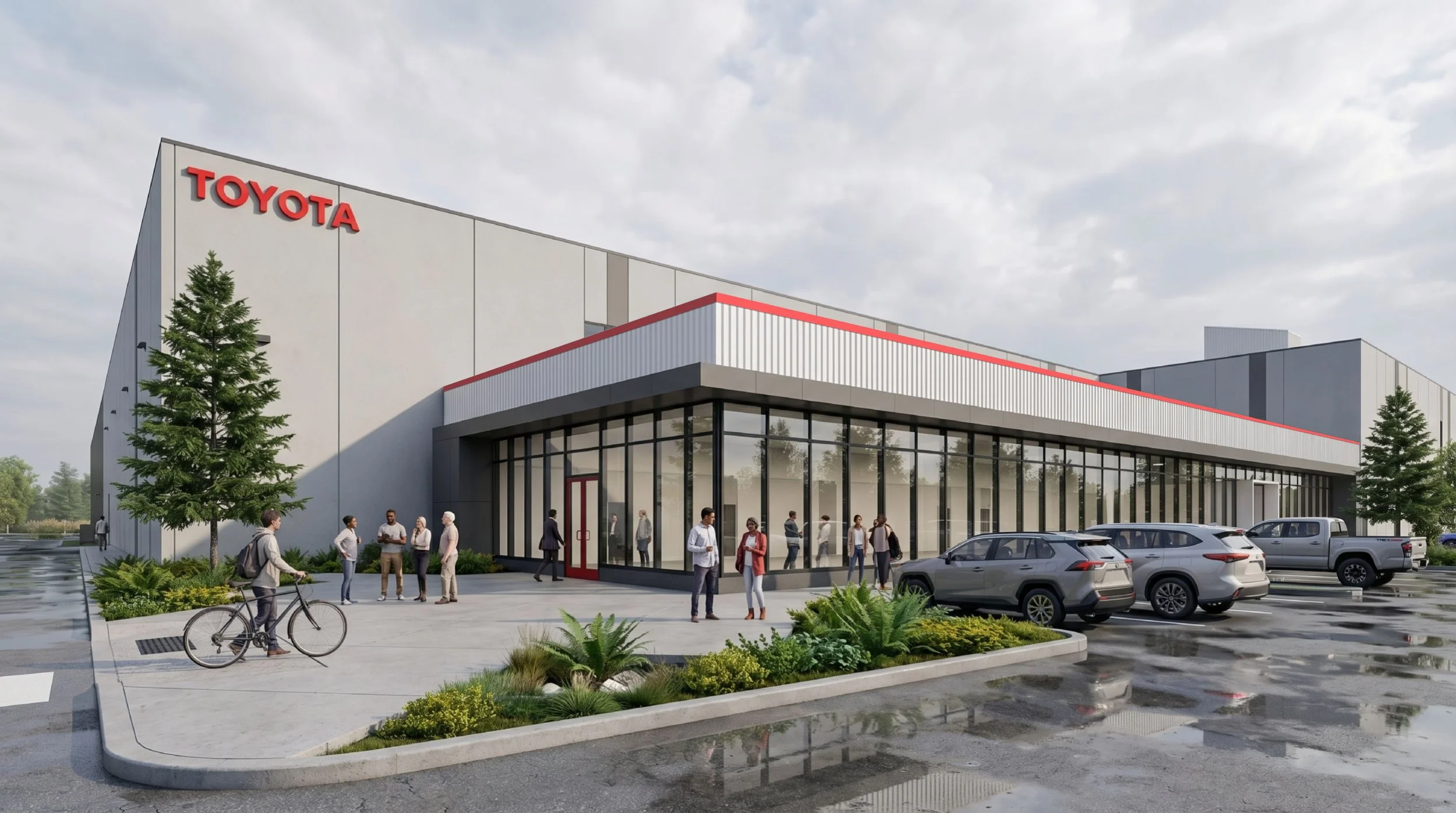
The Surrey facility will primarily serve British Columbia, while Calgary will cover Alberta, Saskatchewan, and surrounding regions.
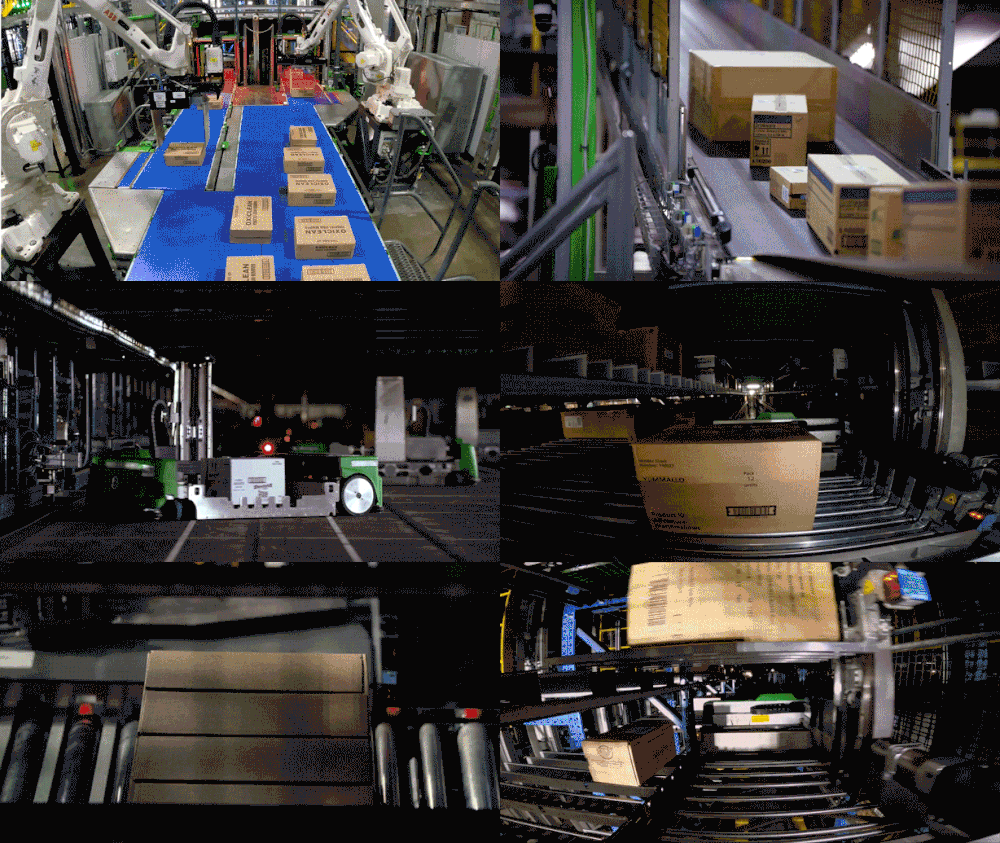
Today, a new layer is beginning to appear in highly automated facilities: the Warehouse Operating System (WOS).
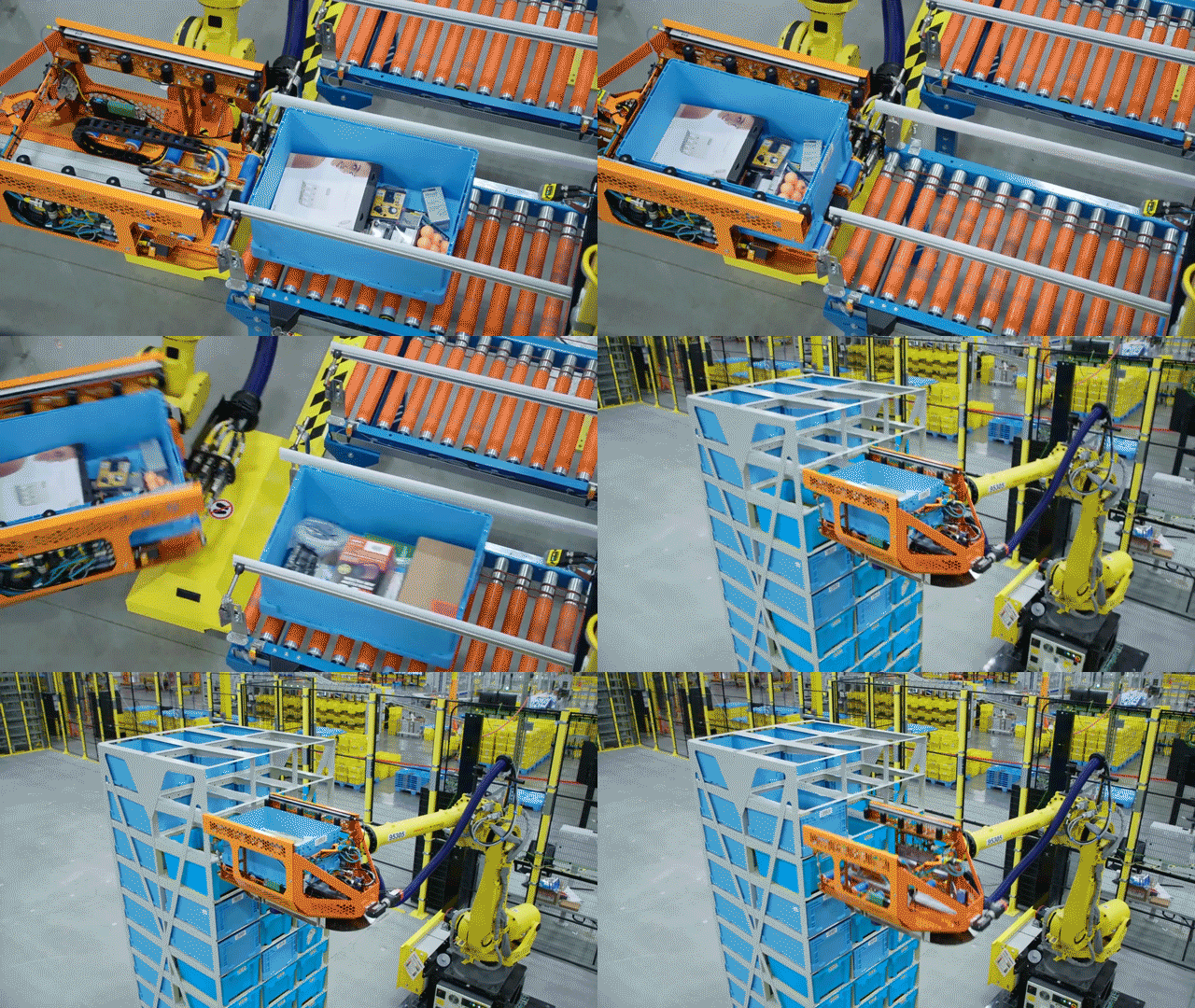
Cainiao plans to build a large-scale global network of robotic warehouses in 2026 as it expands local fulfilment and delivery operations tied to cross-border eCommerce.
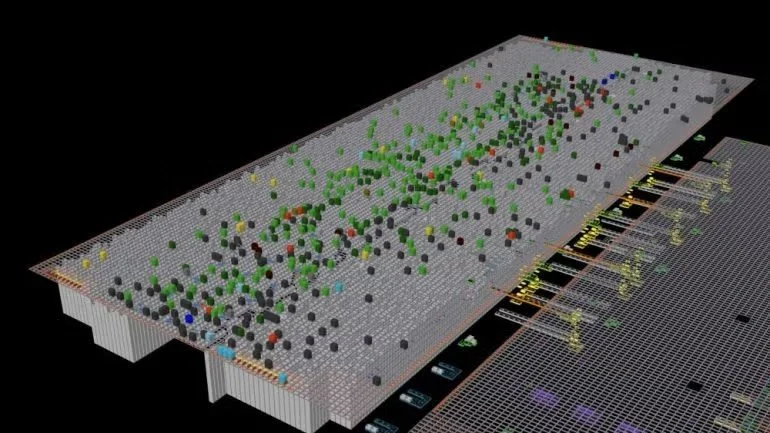
Ocado has delivered a cube-based automation system for McKesson Canada, representing a continued expansion of its technology beyond e-commerce grocery fulfilment.
AutoStore reported its 2025 results this week, outlining a year that moved from early caution to clear second-half acceleration.
At Hannover Messe 2026, SAP and Vodafone showcased a pilot conducted at Vodafone’s warehouse in Duisburg,