
Inside the Factory Where Humanoids Build Humanoids
This video from Tiff In Tech offers a rare deep dive into the 1X factory in Hayward, California, providing a look at the manufacturing philosophy behind Neo. While most humanoid reveals focus on flashy movements, this tour highlights the vertical integration and engineering constraints that make a consumer-grade robot viable.
The "Anti-Supply Chain" Strategy
One of the most striking takeaways is 1X’s decision to build every motor, battery pack, and metal part in-house. Bernt Børnich notes that because a specialized supply chain for humanoids doesn't exist yet, they had to move away from traditional industrial robot components. This vertical integration isn't just about control; it's about iteration speed. By machining their own parts, they can identify a failure point today and have a redesigned version on the floor tomorrow, rather than waiting weeks for a supplier.
Mechanical Safety vs. Software Safety
The engineering team makes a compelling argument for safety through "compliance." Unlike traditional robots that use rigid gear drives, Neo uses a tendon-driven system.
Back-drivability: Because there are no gears, the robot's limbs can be moved easily by human touch (back-driven). If Neo's hand hits something, the motor can spin without forcing the limb through the object.
Mass Reduction: Neo weighs only 30kg. By using soft goods and lightweight materials (inspired by sports research like the NFL), they minimize the kinetic energy involved in any potential collision.
The Feedback Loop
The factory floor is organized so that engineers are physically located right next to the assembly and testing areas.
Stress Testing: The factory includes a room where joints are cycled hundreds of thousands of times until they break. This "run to failure" mentality allows them to refine the reliability needed for a robot intended to live in a home environment.
Training and Learning: The video highlights that a safe robot can learn faster. If a robot is "caged" for safety, it cannot interact with the real world, which limits the data it can collect. By making Neo mechanically safe, 1X can let it learn in unconstrained environments.
The 10-Year Vision
Børnich discusses the concept of a "hard takeoff" where robots eventually build the infrastructure—data centers, energy grids, and chip fabs—required to sustain them. He describes a self-sufficient loop from "atom to intelligence," shifting the perspective of humanoids from simple tools to a new category of companion, which he likens to Calvin and Hobbes.
Potential Intro/Closing Comment:
"What stands out here is the move away from the 'Black Box' approach. By front-loading the complexity into the machining and keeping everything under one roof, 1X is attempting to solve the scalability problem that has historically plagued high-end robotics. It's not just about building a robot; it's about building the machine that builds the robot in under a month."

Pattison Food Group Modernizes Langley Distribution Centre with Advanced Grocery Automation.
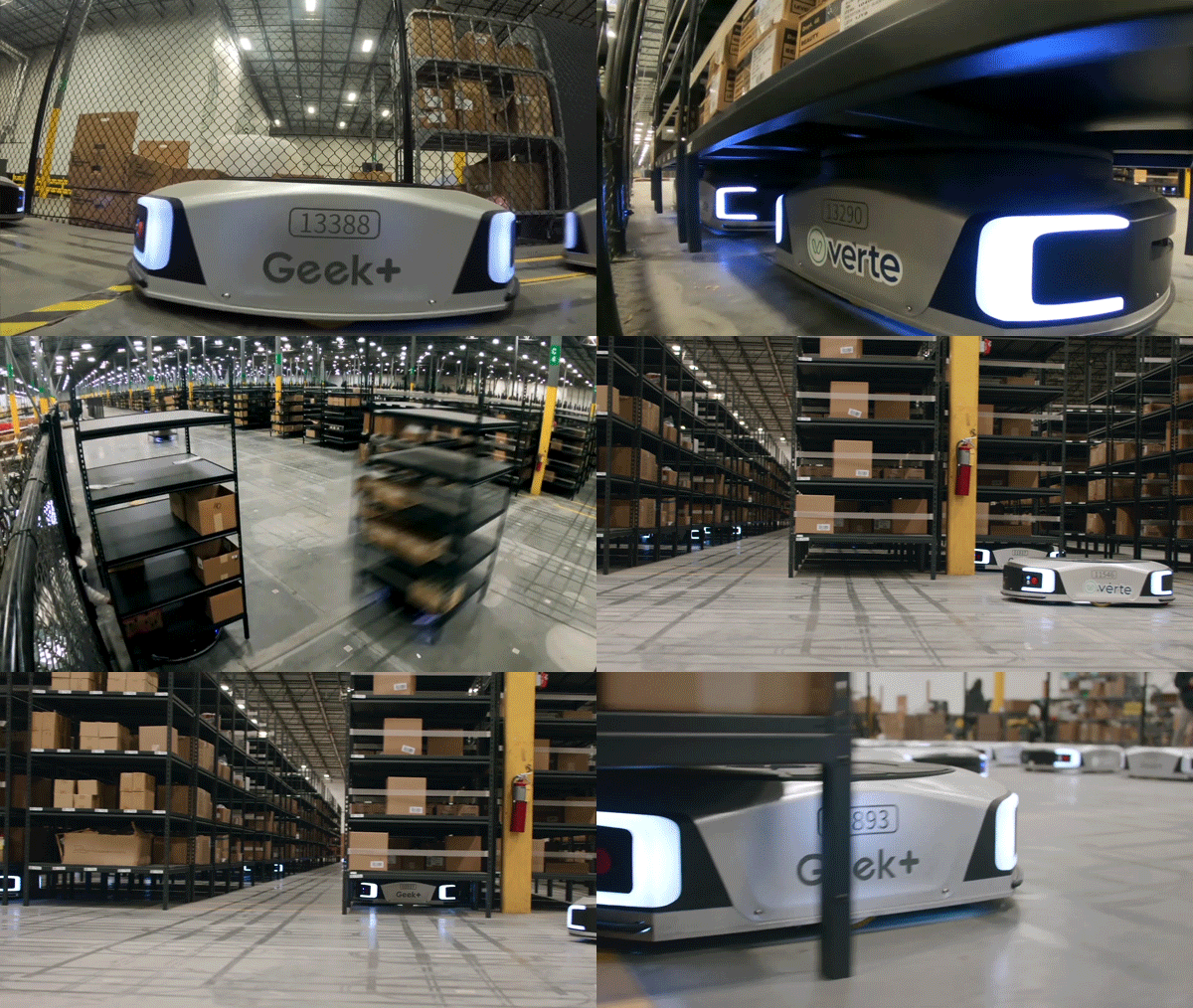
As part of an ongoing warehouse automation modernization project, a fleet of pre-owned ASRS robots is available for purchase.
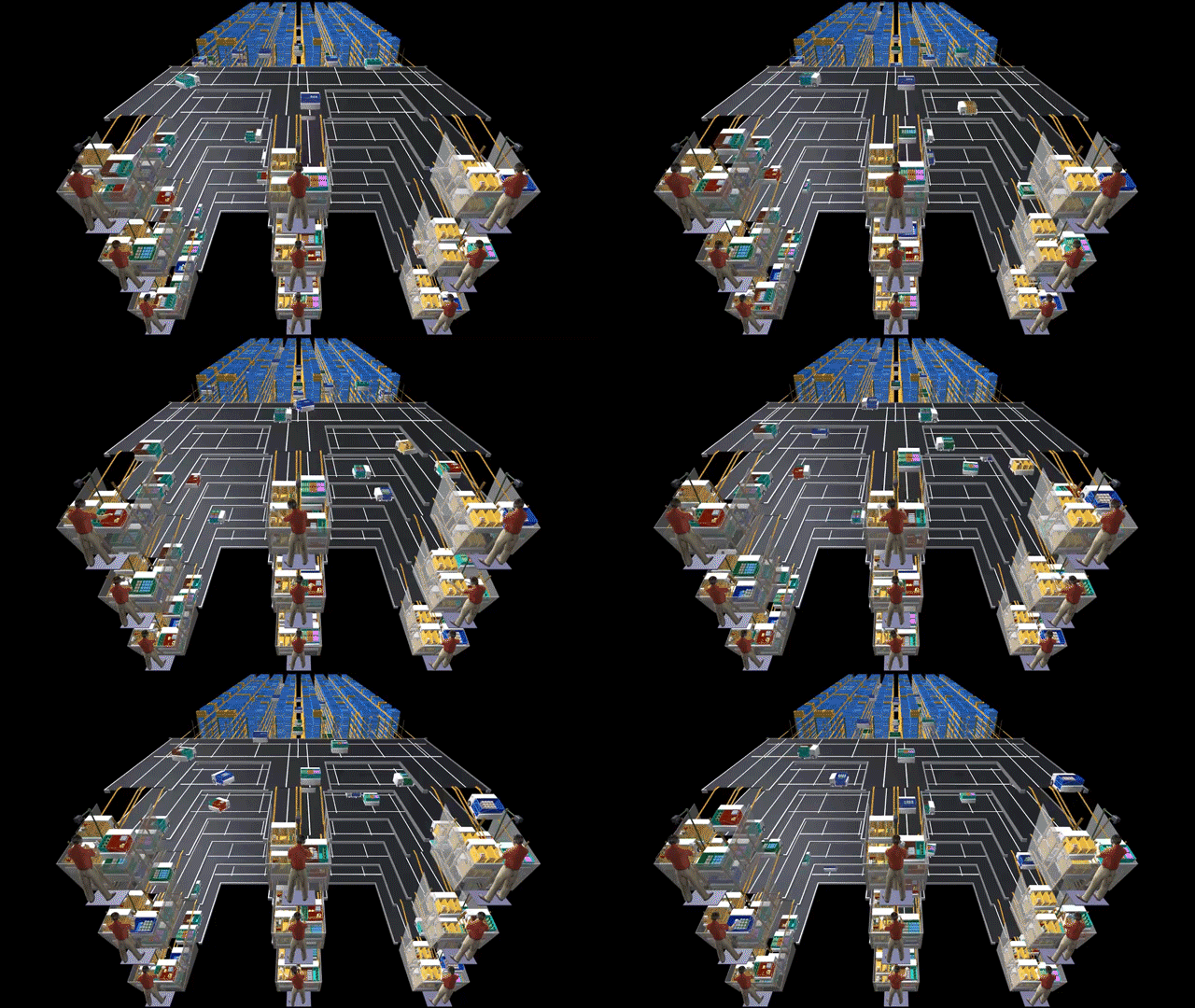
Symbotic’s new SymMicro system begins its first in-store installation, with the potential to expand to 400 Walmart locations.
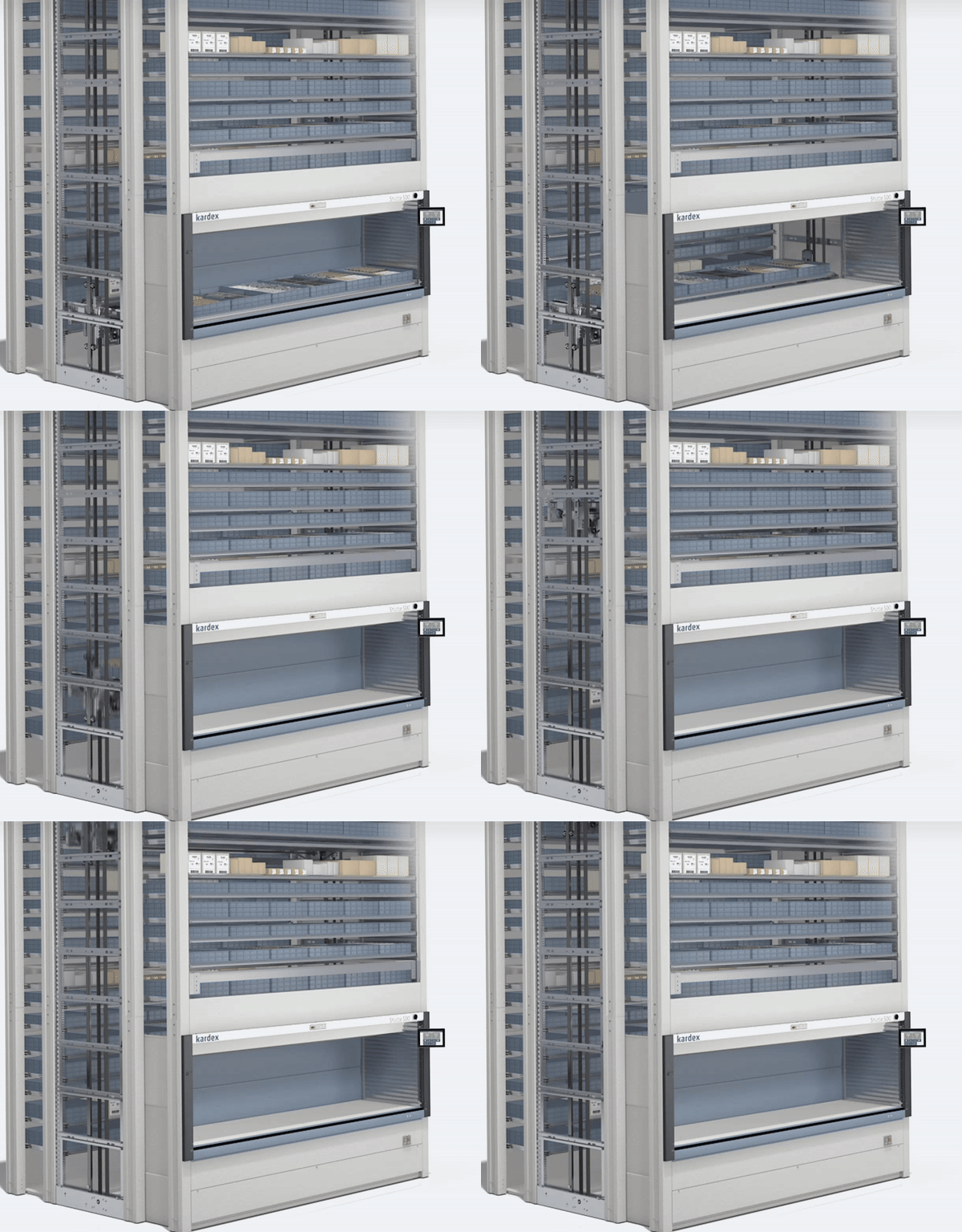
Two brand-new Kardex Shuttle XP 500 vertical lift modules are available for immediate delivery.
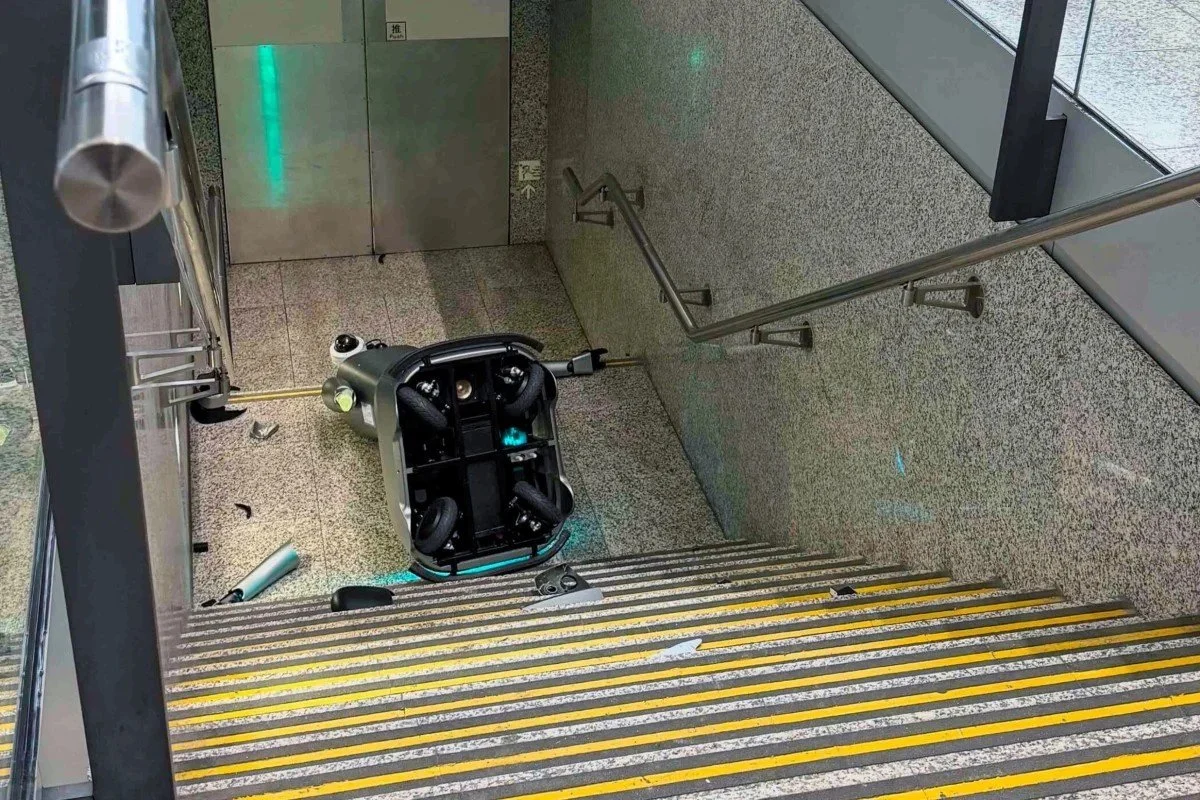
A robot accident at Hong Kong International Airport offers an important lesson about mobile robot safety
S&S Activewear is one of the more technology-forward apparel companies in North America’s branded-apparel distribution market.

Situated in Arvin, California, the new 700,000 square foot facility is described as its largest and most technologically sophisticated distribution center to date.
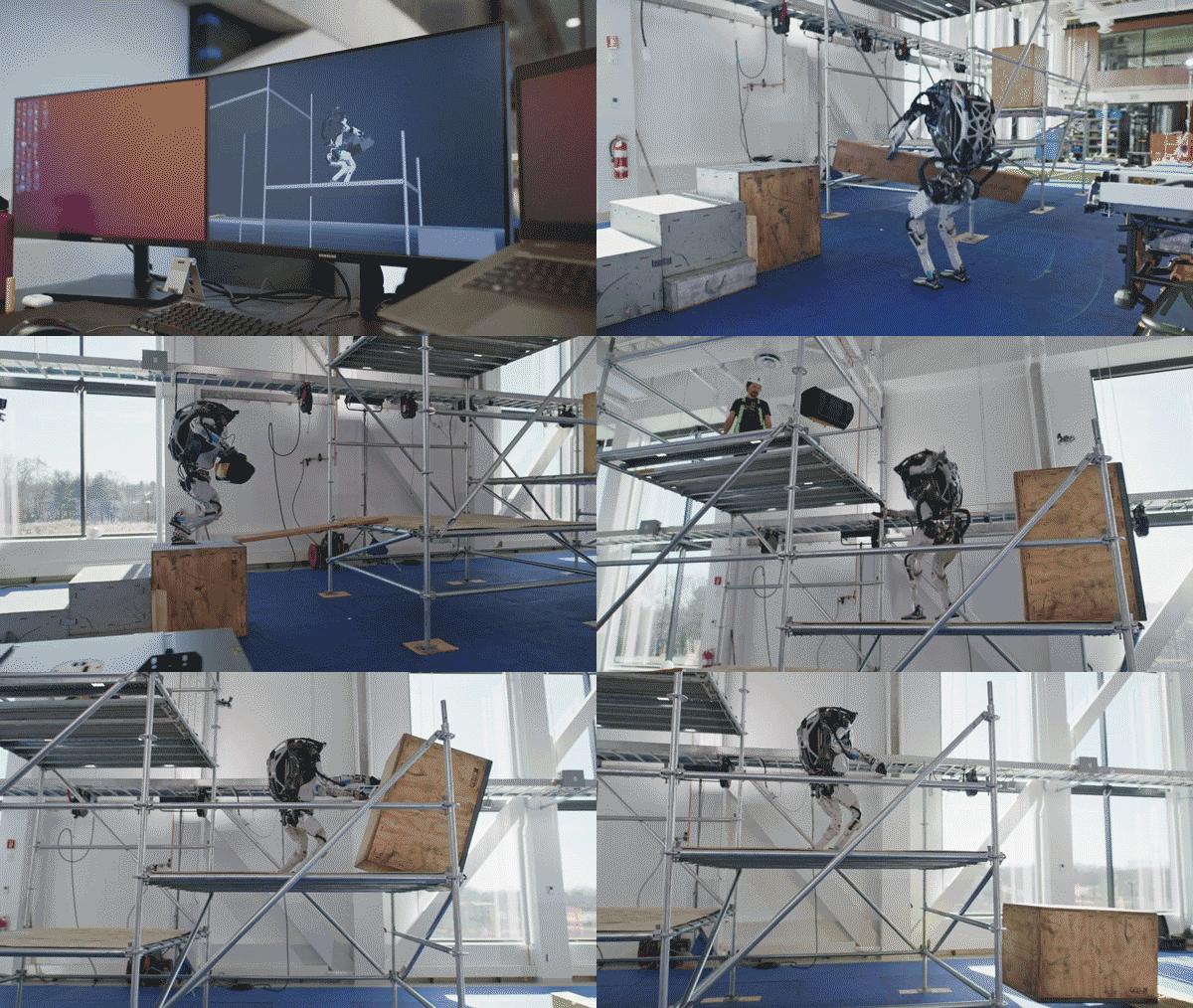
SoftBank is reportedly selling its remaining 9.65% stake in Boston Dynamics to Hyundai Motor Group for US$325 million.
The company had automation. It had robotics. It had government support, customer momentum, press attention, and a massive facility.
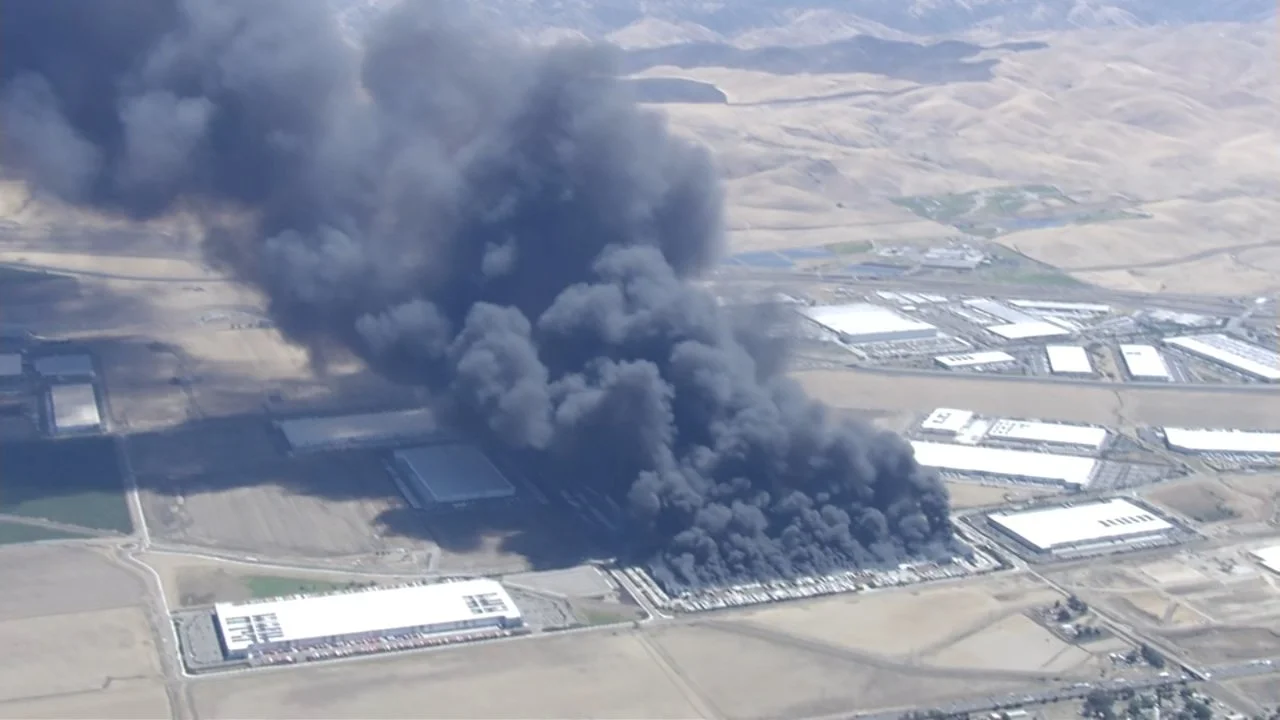
Massive fire destroys 1 million-square-foot Tracy Medline Industries distribution facility
Artificial Intelligence and LLMs are currently being pushed aggressively into logistics, warehouse operations, robotics, and supply chain execution.
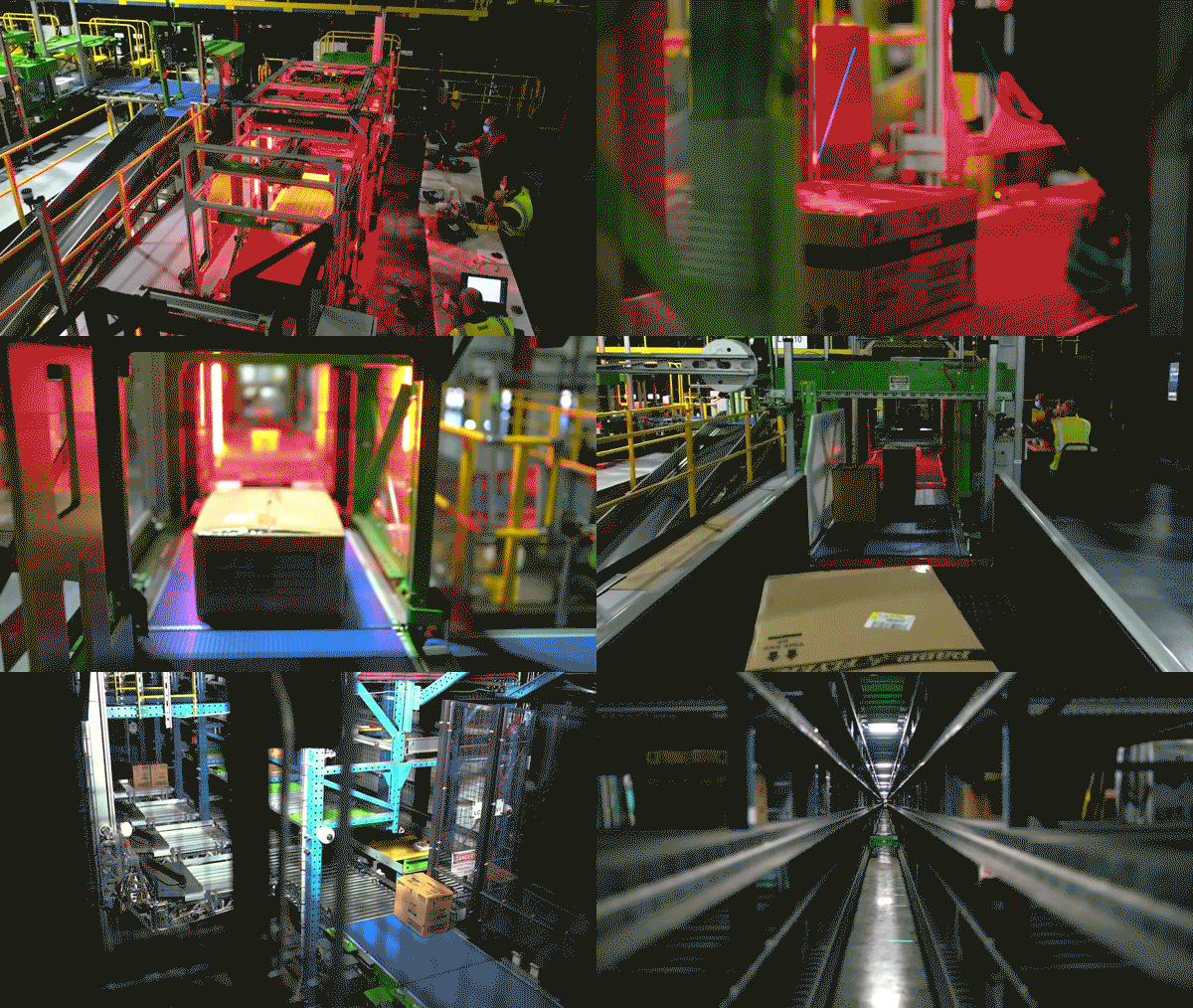
Walmart’s latest comments around same-day fulfillment, 30-minute delivery windows, AI-driven inventory positioning, and supply chain automation should be a wake-up call for the entire retail industry.
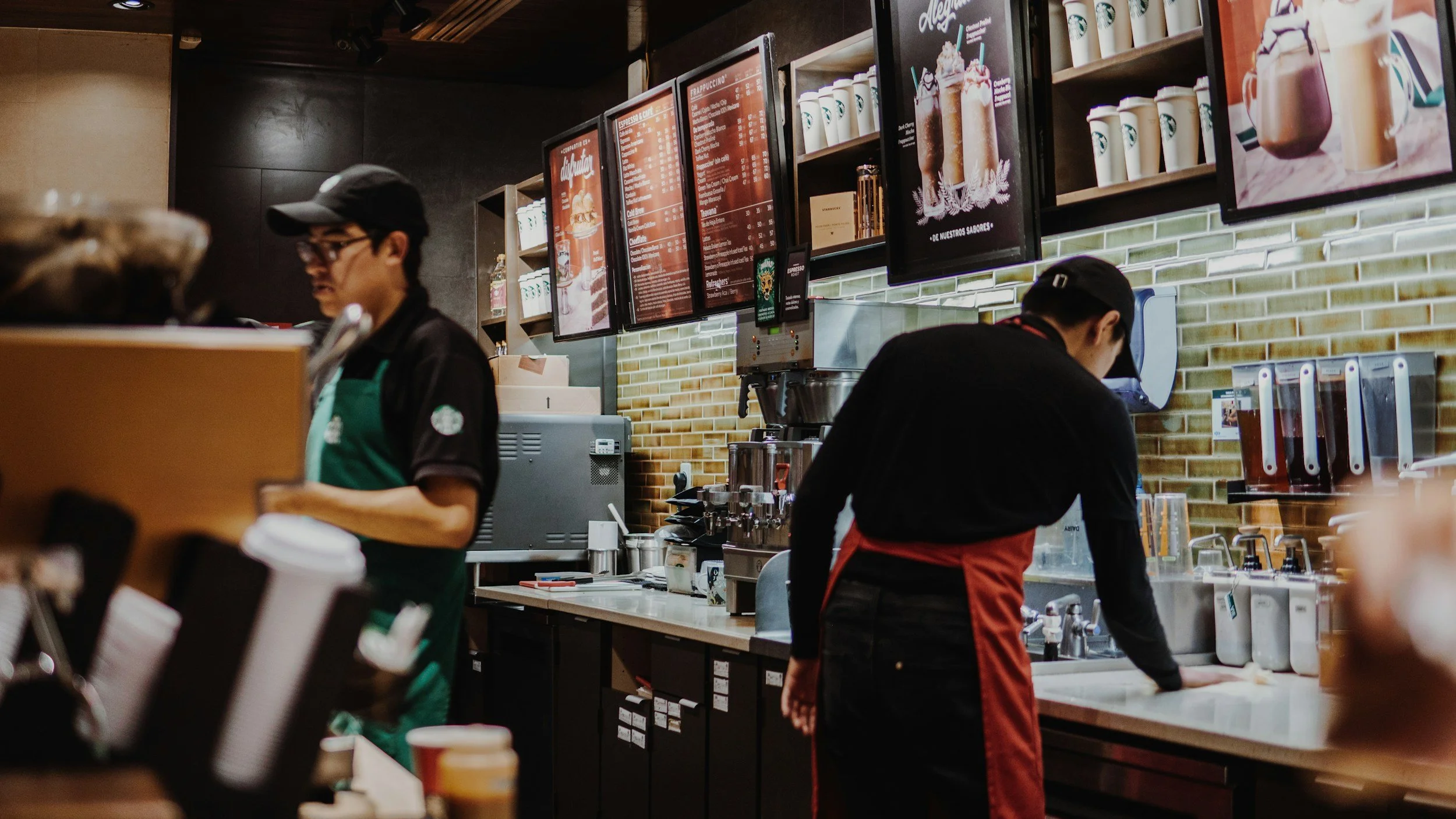
The promise made to Starbucks CEO Brian Niccol was enticing. To eliminate persistent product shortages that hurt sales, the company deployed an automated counting system.
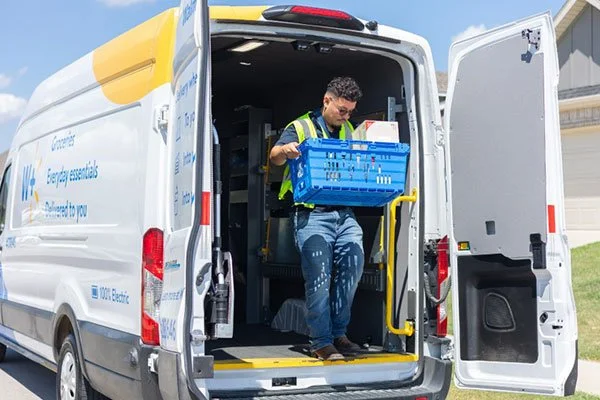
The retail giant is using unlikely spaces to push against Amazon’s recent strategies to capture more customers.

Traditional WMS lacks the real-time visibility into the availability of automated materials handling equipment that a WES brings to the table.
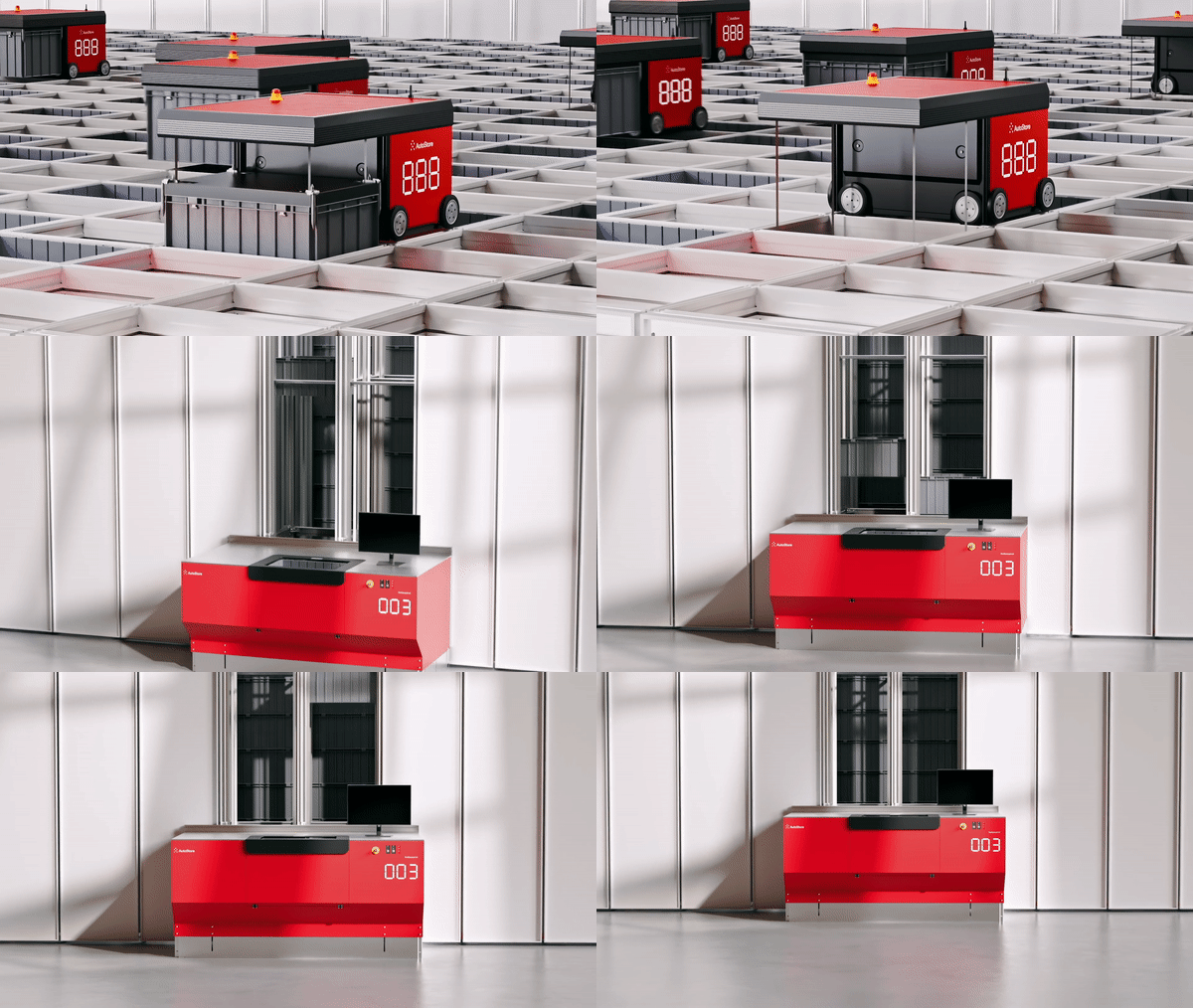
Ulta Beauty has selected AutoStore technology for its new Utah regional distribution hub supporting both stores and growing e-commerce fulfillment.
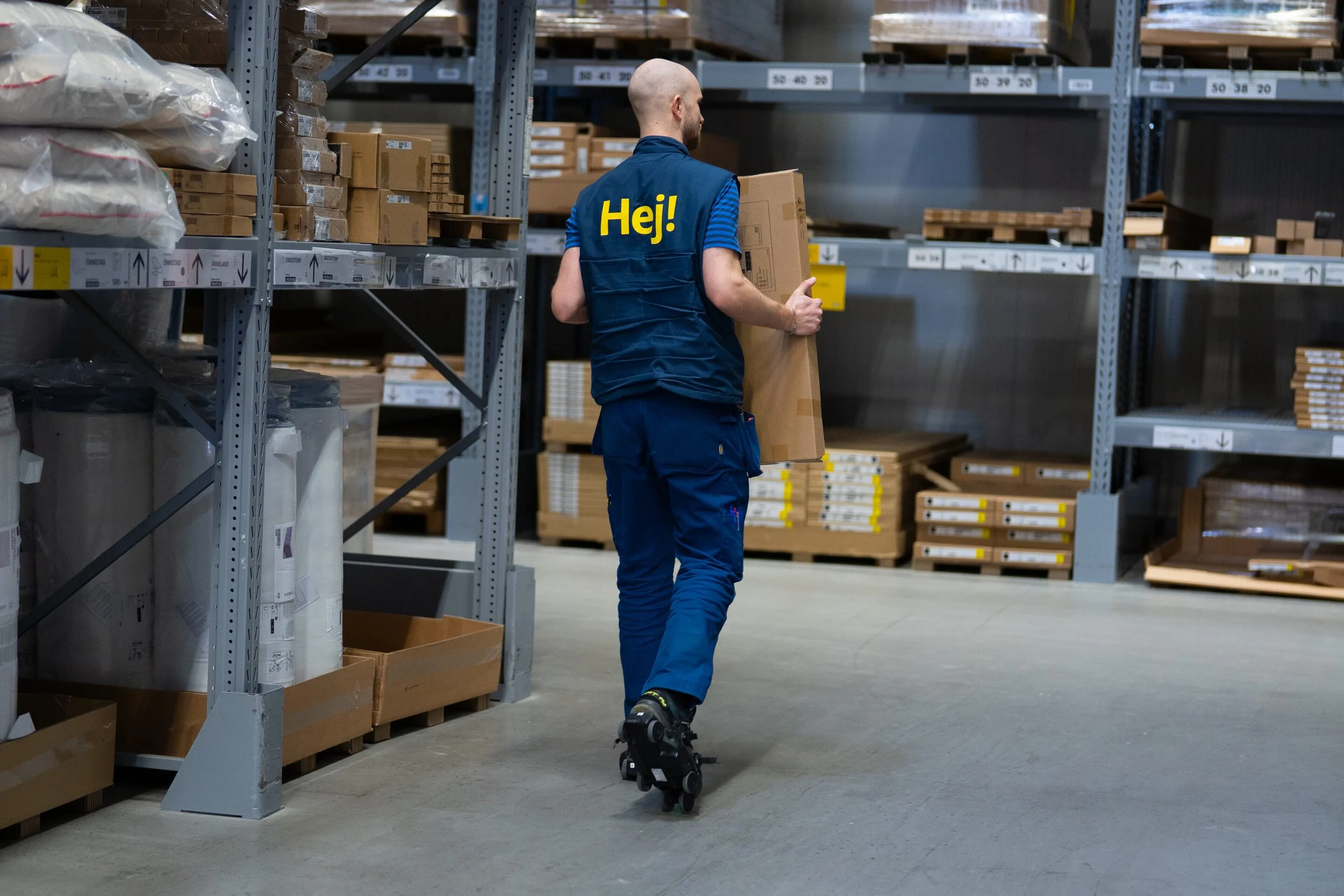
Ikea is testing robotic boots in Helsingborg, Sweden, to speed up order picking and reduce physical strain. Initial measurements showed that employees walked up to twice as fast, and average hourly picking productivity increased by 16%.
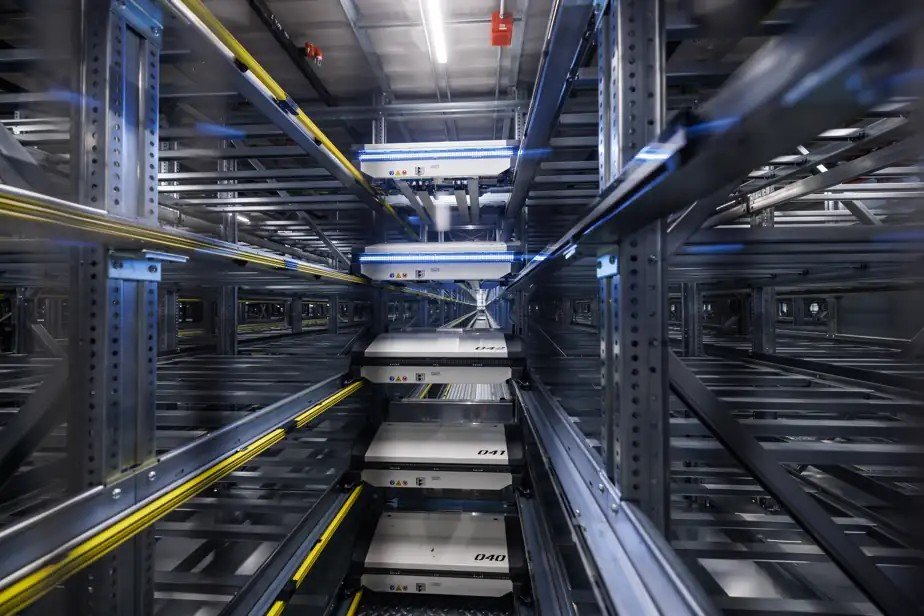
The cost of the SAQ's automated distribution center project, scheduled to begin operations next year, has gone from $48.5 million to $300 million in four years.
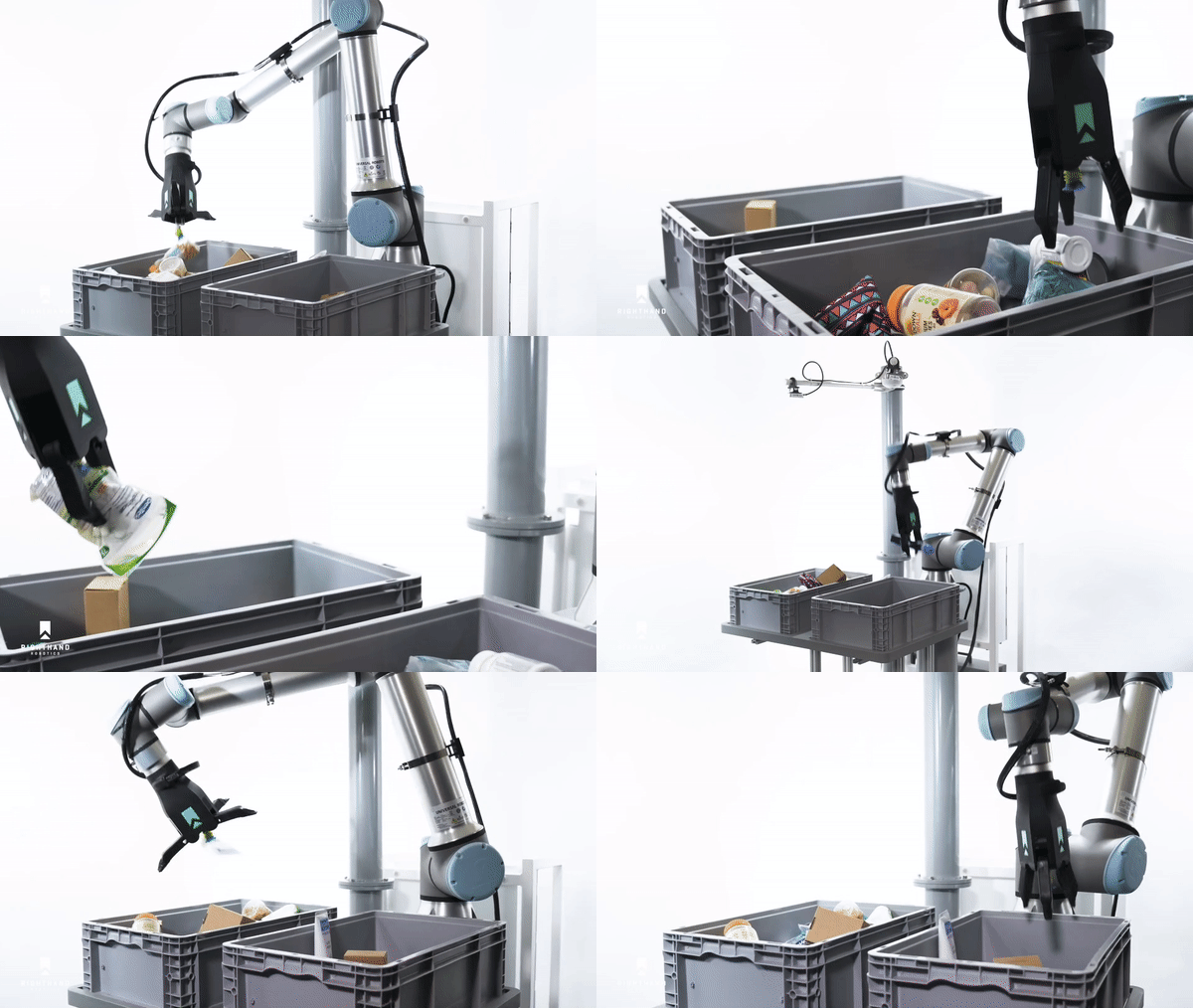
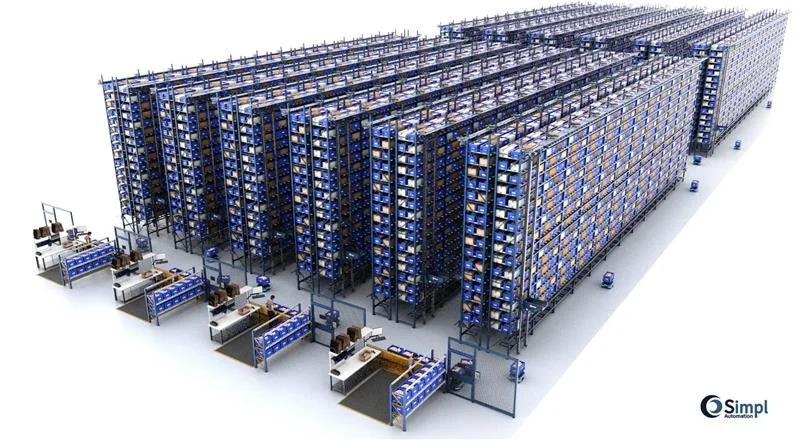
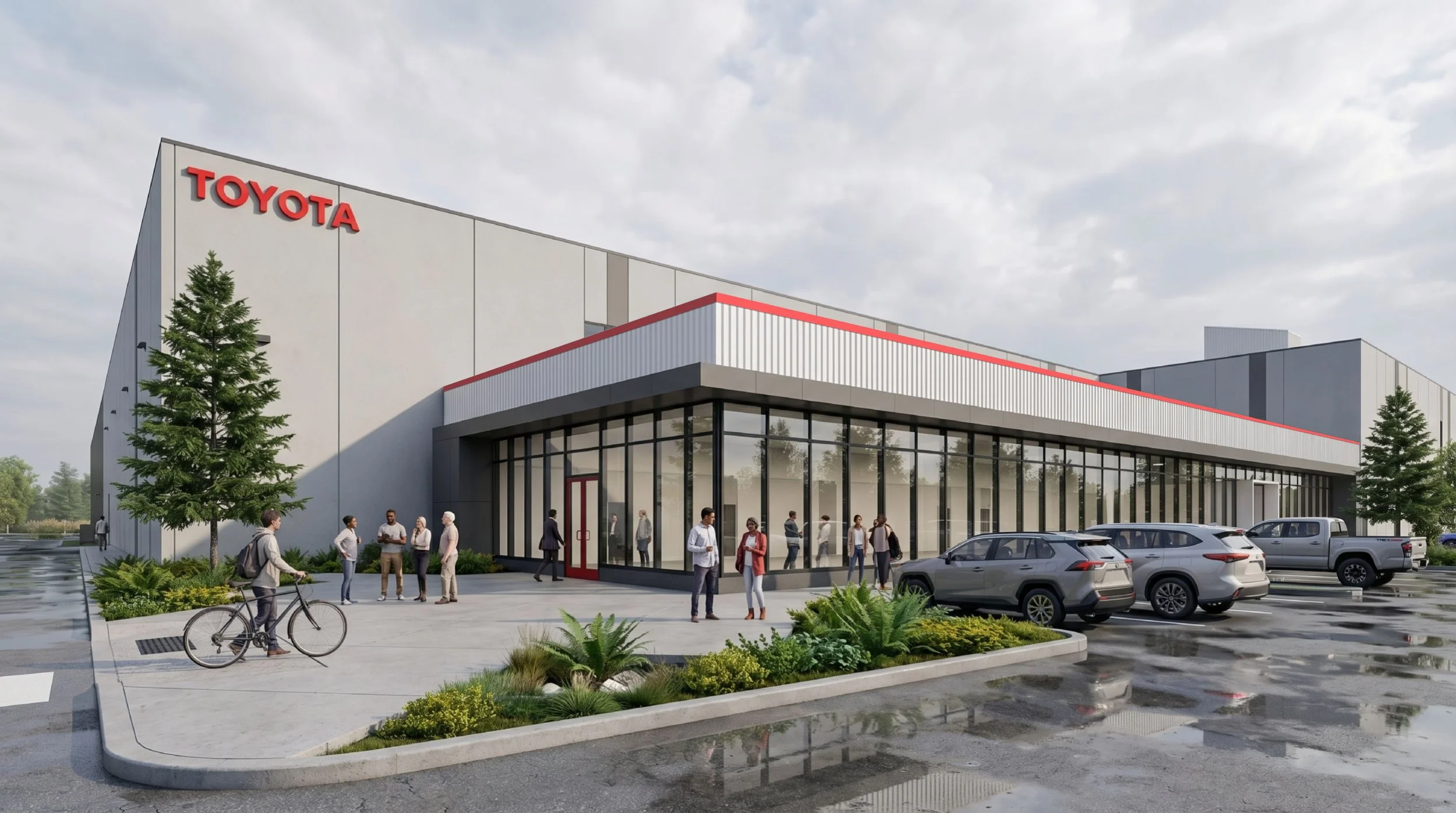
The Surrey facility will primarily serve British Columbia, while Calgary will cover Alberta, Saskatchewan, and surrounding regions.
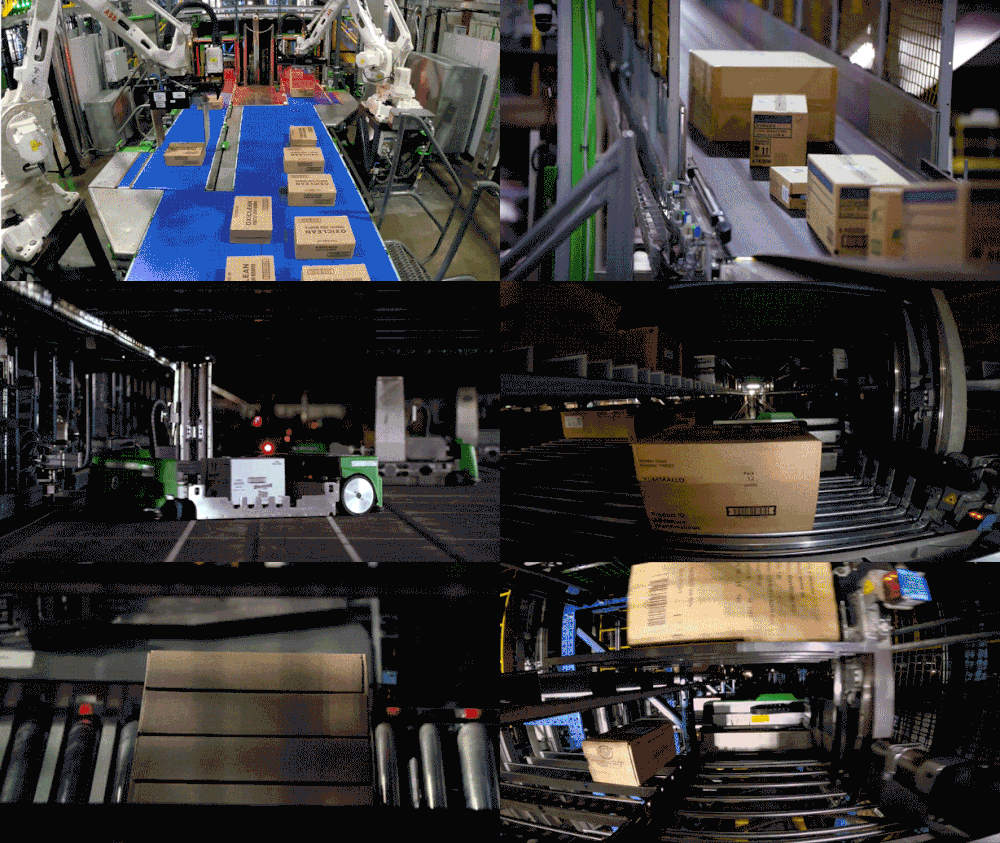
Today, a new layer is beginning to appear in highly automated facilities: the Warehouse Operating System (WOS).
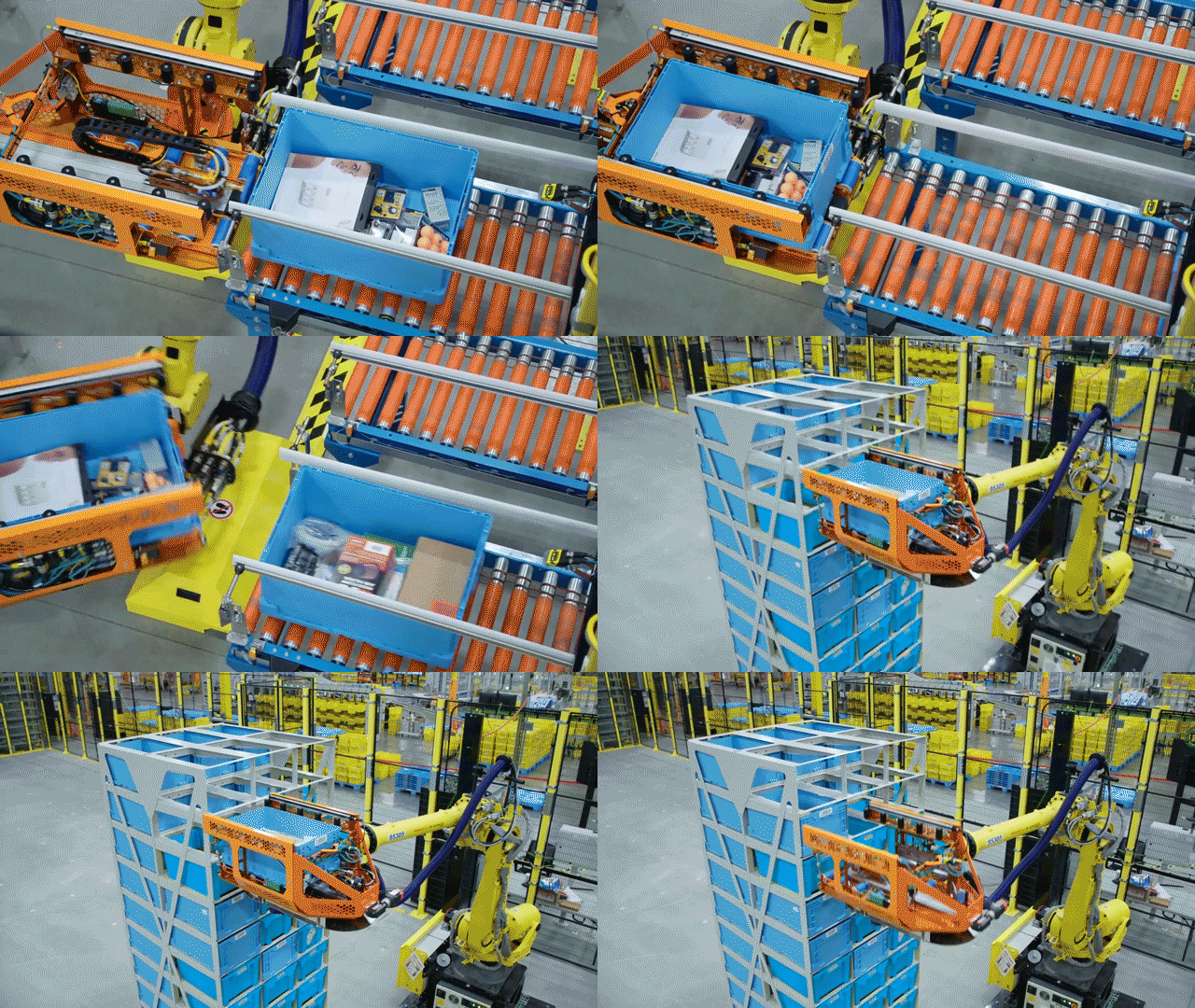
Cainiao plans to build a large-scale global network of robotic warehouses in 2026 as it expands local fulfilment and delivery operations tied to cross-border eCommerce.
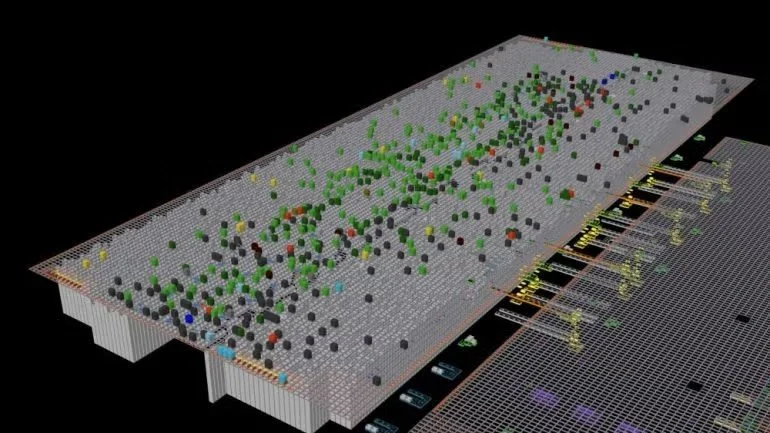
Ocado has delivered a cube-based automation system for McKesson Canada, representing a continued expansion of its technology beyond e-commerce grocery fulfilment.
AutoStore reported its 2025 results this week, outlining a year that moved from early caution to clear second-half acceleration.
At Hannover Messe 2026, SAP and Vodafone showcased a pilot conducted at Vodafone’s warehouse in Duisburg,