
China’s Humanoid Pivot into Industrial Operations
Forget the dancing videos—China is building the infrastructure to move humanoids from viral demos to Western warehouse floors.
The bottleneck in humanoid robotics has never been the hardware—it is the transition from lab prototypes to reliable industrial workers. While the West often focuses on algorithmic simulations, China is solving the "Embodied Intelligence" gap through a massive, brute-force commitment to high-quality, human-led data.
One of the most significant developments in this space is the emergence of standardized "Robot Schools," such as the Qingdao Humanoid Robot Data Training Center.
The Strategy: Standardized Data Engineering
Unlike traditional programming or pure digital simulation (Sim2Real), these facilities utilize a Human-in-the-Loop model to bypass the usual limitations of AI training.
Industrial Simulation at Scale: The Qingdao facility is not a lab; it is a factory for data. It utilizes standardized zones replicating automobile manufacturing, express delivery centers, and complex commercial environments to ensure the training is grounded in reality.
The Rise of the Data Collector: A new professional class is emerging. Using VR interfaces and motion-capture, these collectors "hand-hold" robots through the nuances of industrial physics—teaching the AI the exact pressure required to flatten a package or the precision needed to seat a component on an assembly line.
Massive Iteration: By repeating movements thousands of times, China is creating a standardized data engineering system that converts human motor skills into a library of autonomous industrial actions.
Moving Beyond "Hero Videos"
The goal is to move past viral clips and into what are termed "New Quality Productive Forces." This isn't theoretical; it is a direct pivot into:
Industrial Manufacturing: Handling high-precision, repetitive tasks where fixed automation lacks the necessary flexibility.
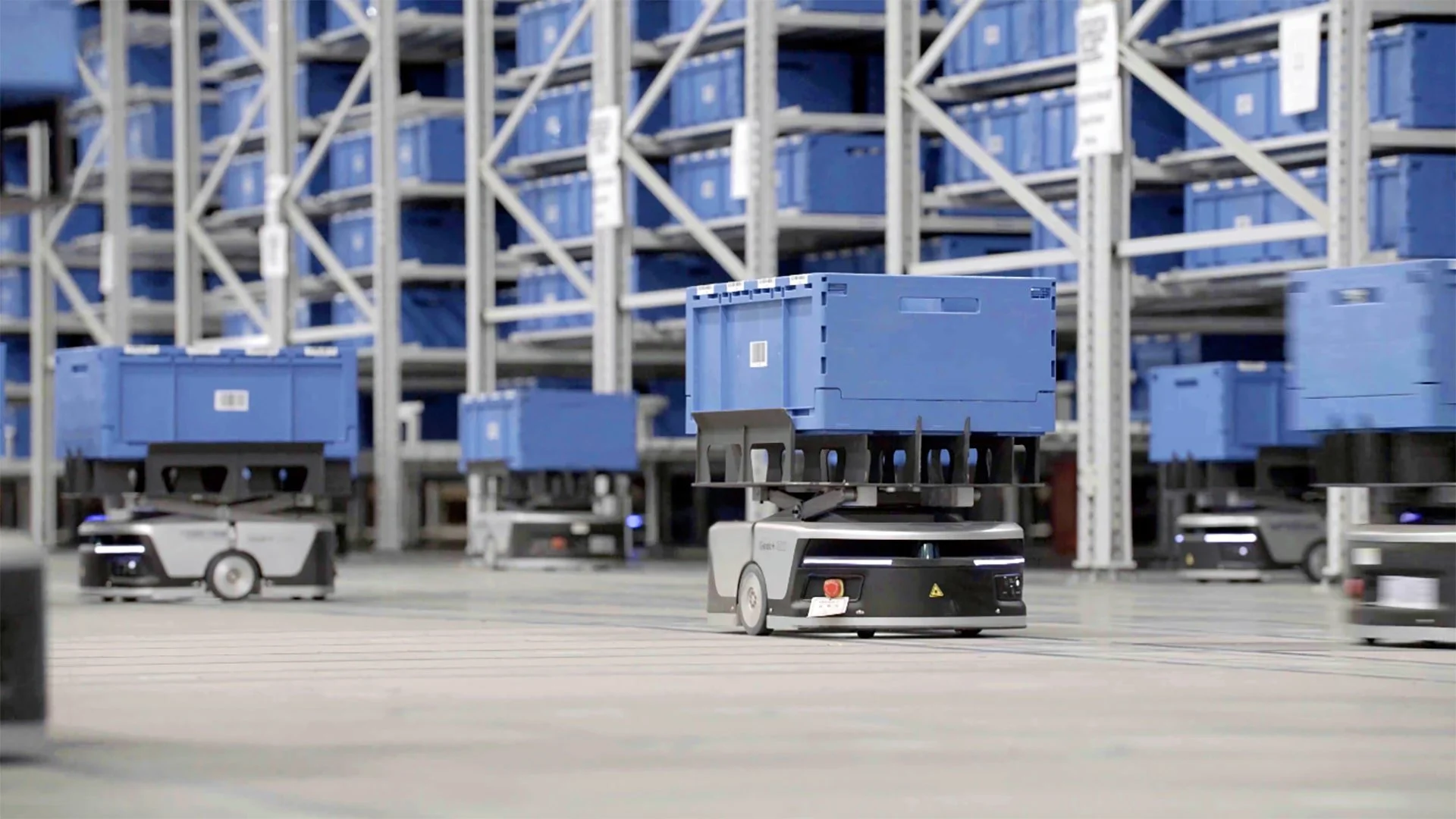
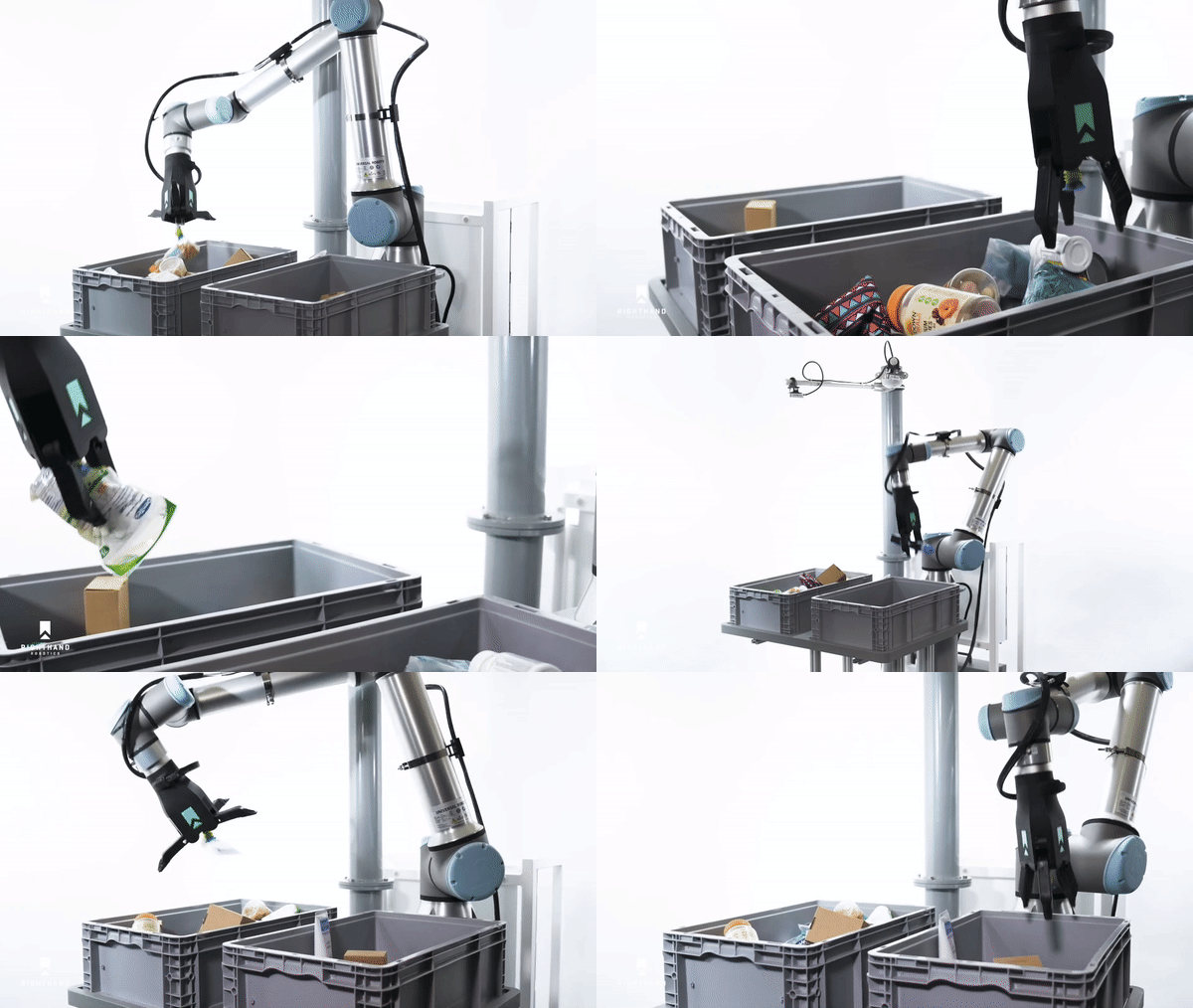
Logistics & Fulfillment: Mastering varied packaging and "flattening" tasks—the specific, messy challenges that currently hinder high-volume warehouse automation.
Commercial Deployment: Preparing robots for environmental perception in dynamic, public-facing settings.
The Economic Reality
The scale of this infrastructure is backed by staggering projections. The market for embodied intelligence in China is estimated to reach 400 billion Yuan by 2030, potentially exceeding 1 trillion Yuan by 2035.
By treating AI training as a standardized industrial process rather than a research experiment, China is shortening the timeline for humanoid deployment. For Western operations, the question is no longer if these systems will arrive, but how your current roadmap accounts for their integration.









At Hannover Messe 2026, SAP and Vodafone showcased a pilot conducted at Vodafone’s warehouse in Duisburg,